
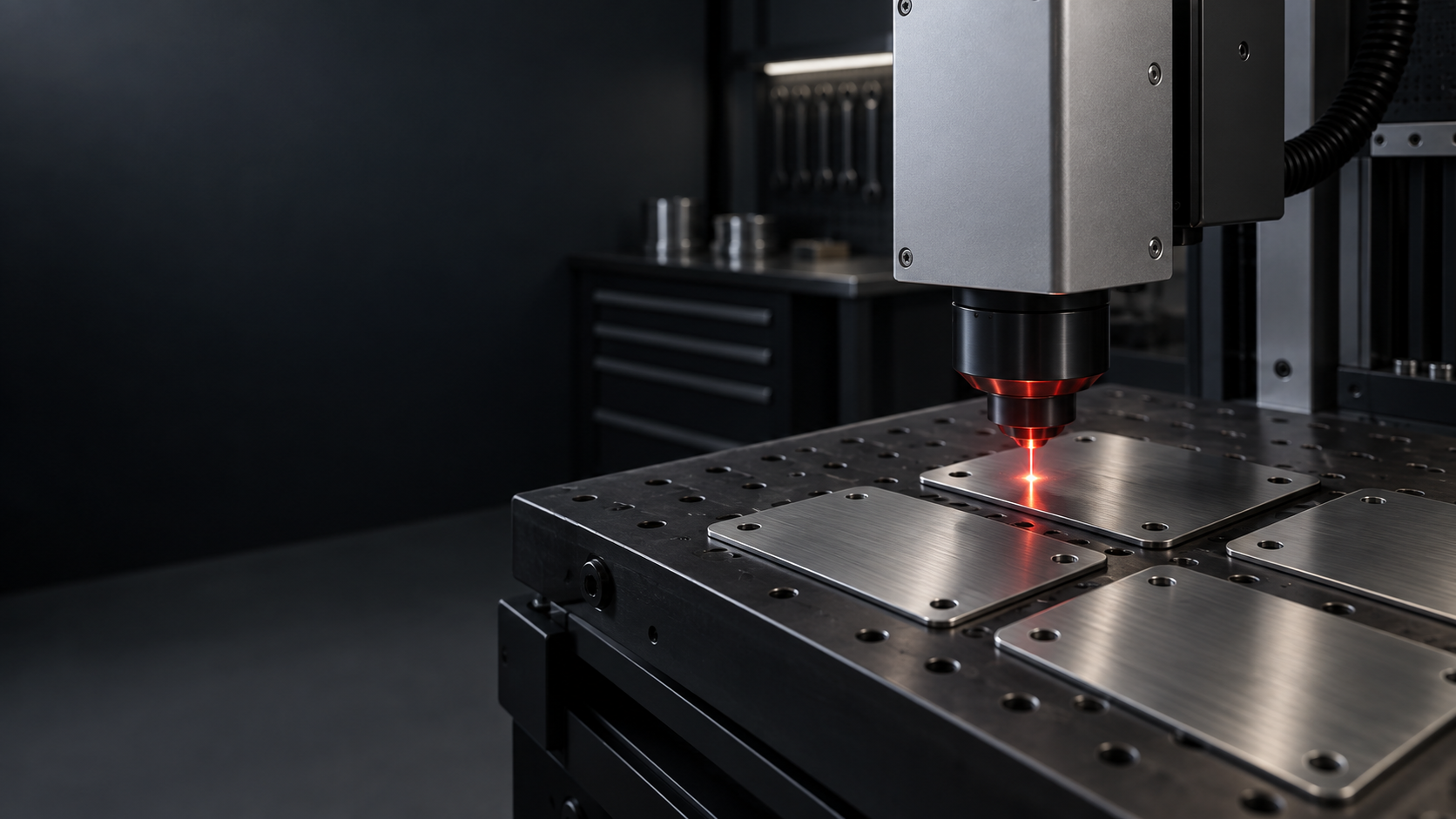
Stainless steel
Industrial identification, asset plates and durable surface marking on suitable grades and finishes.
Capability
Fibre Laser MarkingHigh-detail marking and engraving of suitable metal surfaces.
Text · Serials · CodesHigh-detail marking and engraving of suitable metal surfaces.
GT Laser uses a 60 W MOPA fibre laser for marking compatible metals and selected engineered plastics. It supports industrial identification, serialisation, QR codes, Data Matrix and batch-specific marking from approved data, including human-readable and machine-readable information on individual components.
Request a Quote Send Your Files
Owner-selected equipment reference from the existing GT Laser website.
Generated illustrative image; not a GT Laser workshop photograph.
Capability overview
GT Laser uses a 60 W MOPA fibre laser for marking compatible metals and selected engineered plastics. It supports industrial identification, serialisation, QR codes, Data Matrix and batch-specific marking from approved data, including human-readable and machine-readable information on individual components.
Suitable applications
Customisation and data
Materials & process compatibility
The material and finish are reviewed against the required mark and intended use. State any exposure, corrosion-resistance or marking-life requirements so they can be assessed.
Industrial identification, asset plates and durable surface marking on suitable grades and finishes.
Lightweight, high-contrast tags and components where the anodised layer and colour suit the mark.
Premium or decorative metal marking where finish change and exposure have been considered.
Surface or coating-removal routes only after the actual material and required result have been reviewed.
Manufacturing technology
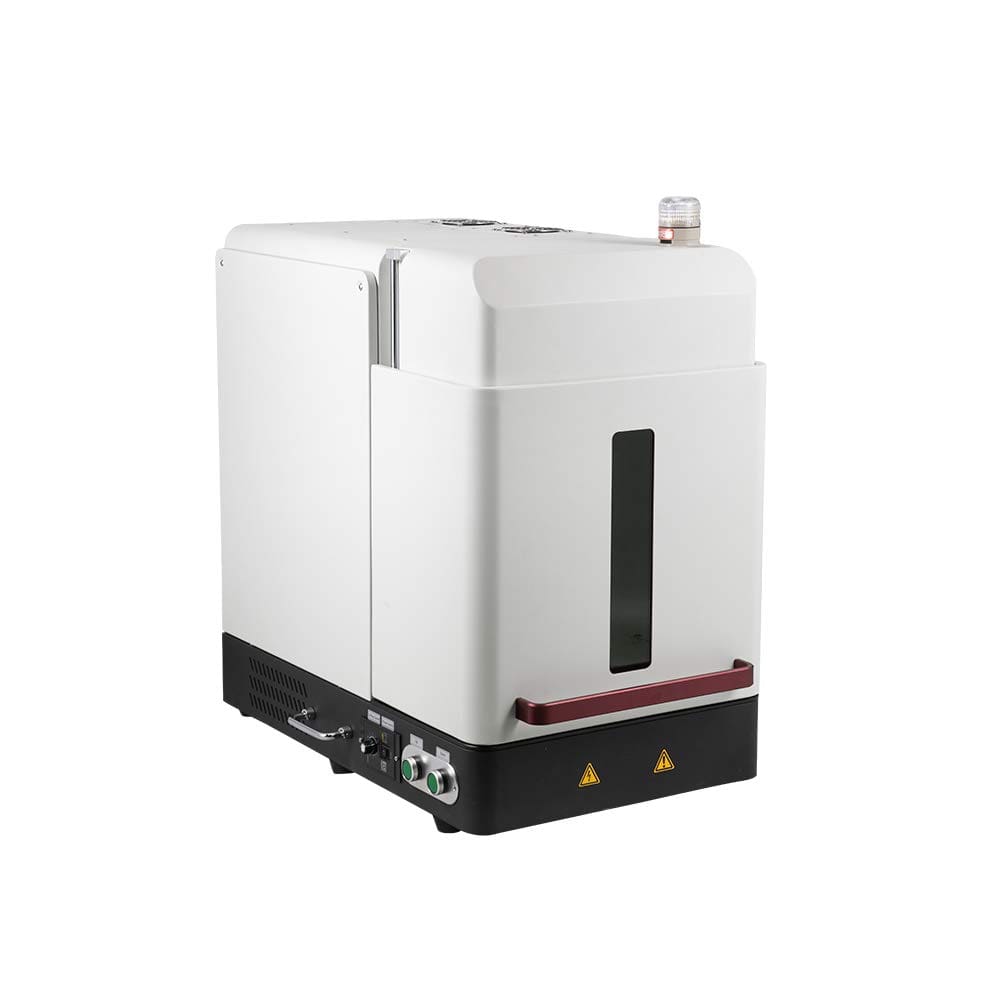 Owner-selected equipment reference from the existing GT Laser website.
Fibre laser marking
Controlled surface marking and engraving, high-contrast identification, serialisation and QR / Data Matrix codes. MOPA pulse control supports different marking effects according to material and finish.
Stainless steel, anodised aluminium, aluminium, brass and selected compatible coated or engineered surfaces.
Equipment plates, asset tags, serialised components, fine text and product identification.
The required mark, finish, code area and positioning are confirmed for the actual component.
Important limitations
What GT Laser needs from you
Related solution pathways
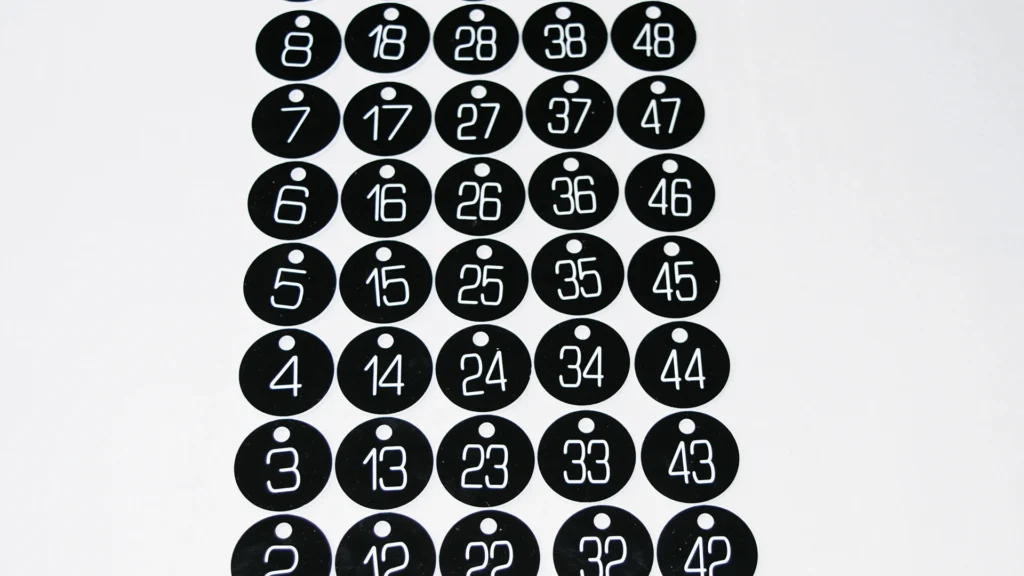
Identification and traceability products made to specification.
Explore solution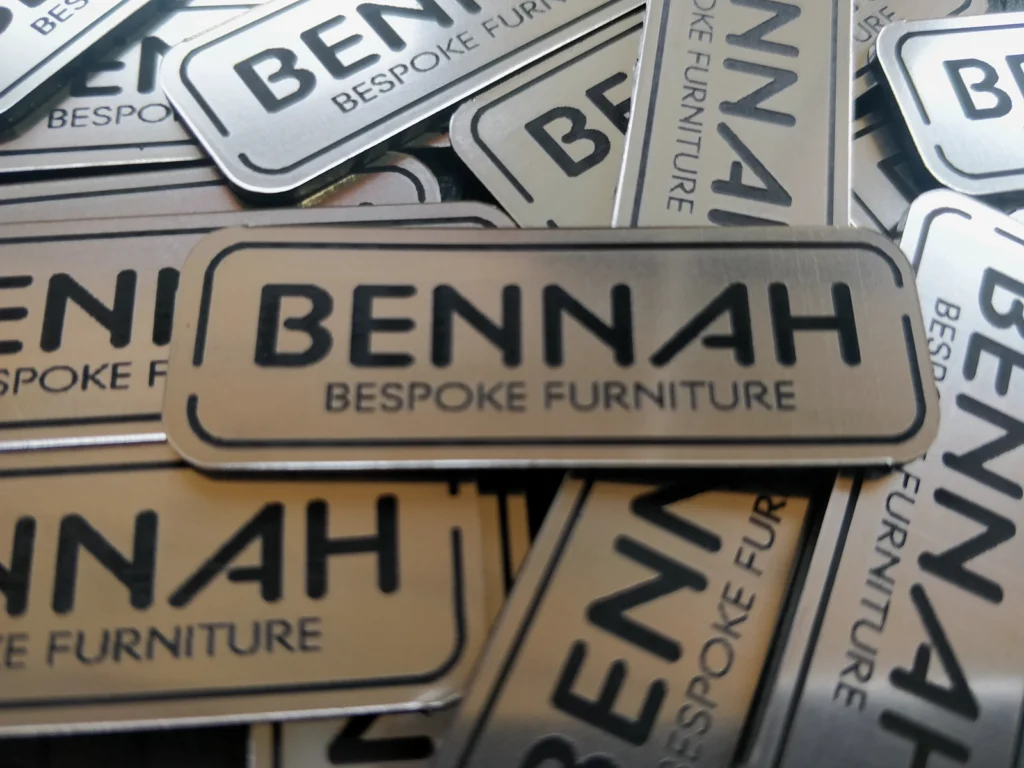
Prototype, small-batch and repeat production from drawings, artwork or a product requirement.
Explore solutionSupporting processes
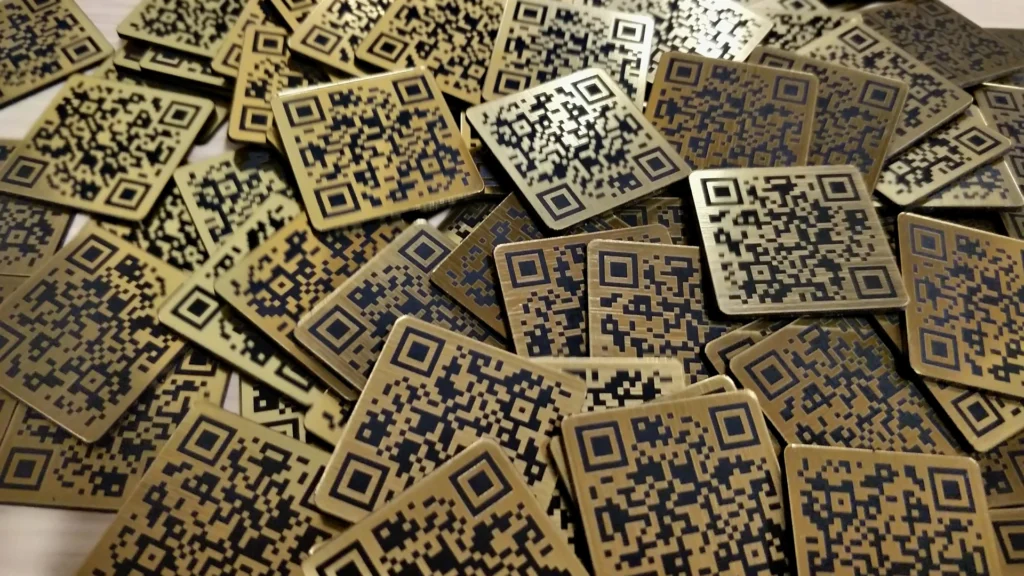
Controlled individual data across production batches.
Explore capabilityPractical guidance
No. GT Laser uses fibre laser technology for marking and engraving suitable metal parts, not in-house metal profile cutting. Complete drawing-controlled metal components can be discussed through the appropriate supply route, with marking and variable data as required.
304 is a common general-purpose stainless grade. 316 is often considered for wetter, harsher or more exposed environments because of its greater corrosion resistance. Final suitability depends on the actual exposure, finish, thickness and fixing.
Anodised aluminium provides a lightweight metal component with a professional surface finish and strong marking contrast on suitable grades. It is commonly considered for asset plates, serialised tags, QR plates and branded components.
Brass is normally selected for its warm, premium appearance. Untreated brass can tarnish and change with handling or exposure, so any outdoor requirement should define the environment and acceptable finish change before the material is selected.
Yes, for suitable products. Each item can contain a different approved URL or code value while retaining a common layout, material and production specification.
Yes, where appropriate. Supply the approved source URL, ID or code content in a structured spreadsheet or CSV. The customer remains responsible for confirming supplied content and destinations unless a separate validation scope is agreed.
Share the item, quantity and approved marking data so the production route can be reviewed.