
Materials
Materials
Material · Finish · Application
Acrylic
Best for premium signage, desk signs, plaques, displays and clean modern components.
Request a Quote Compare all materials
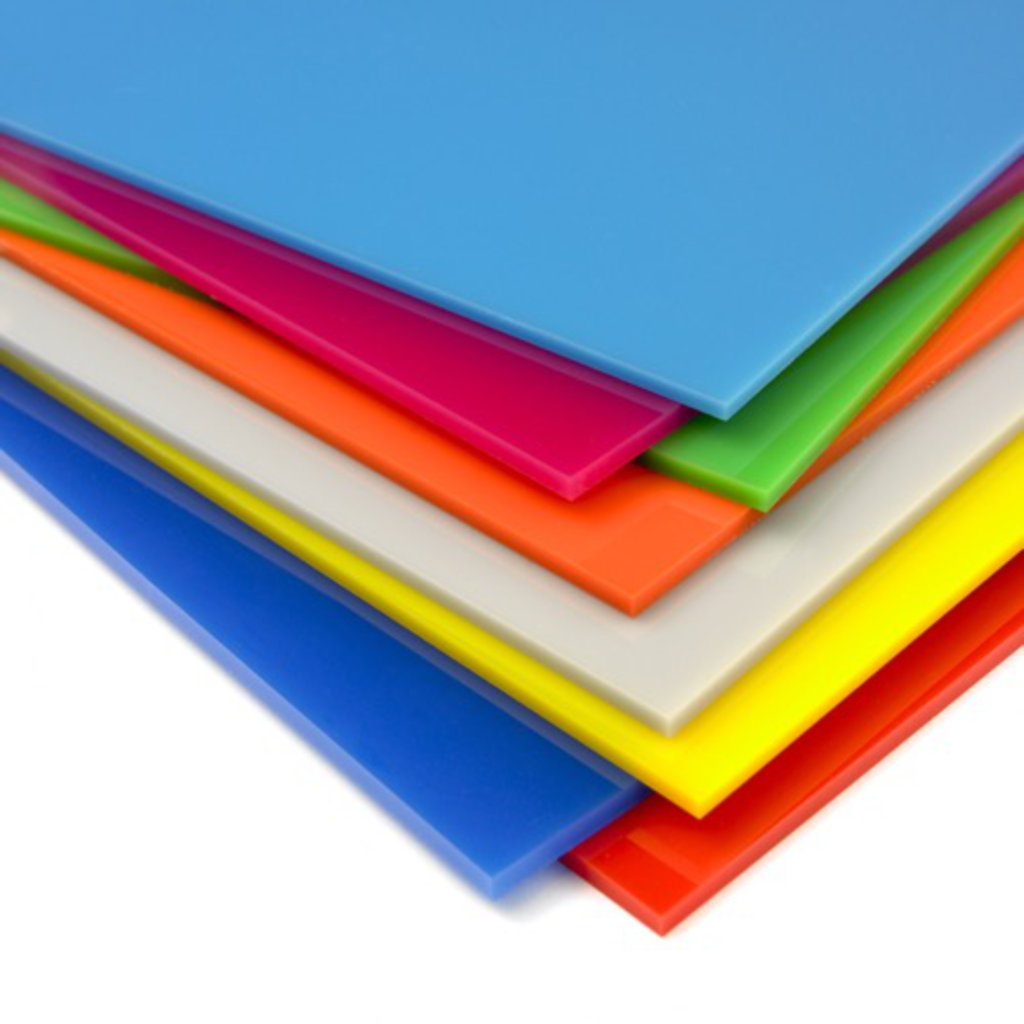
Generated illustrative image; not a GT Laser workshop photograph.
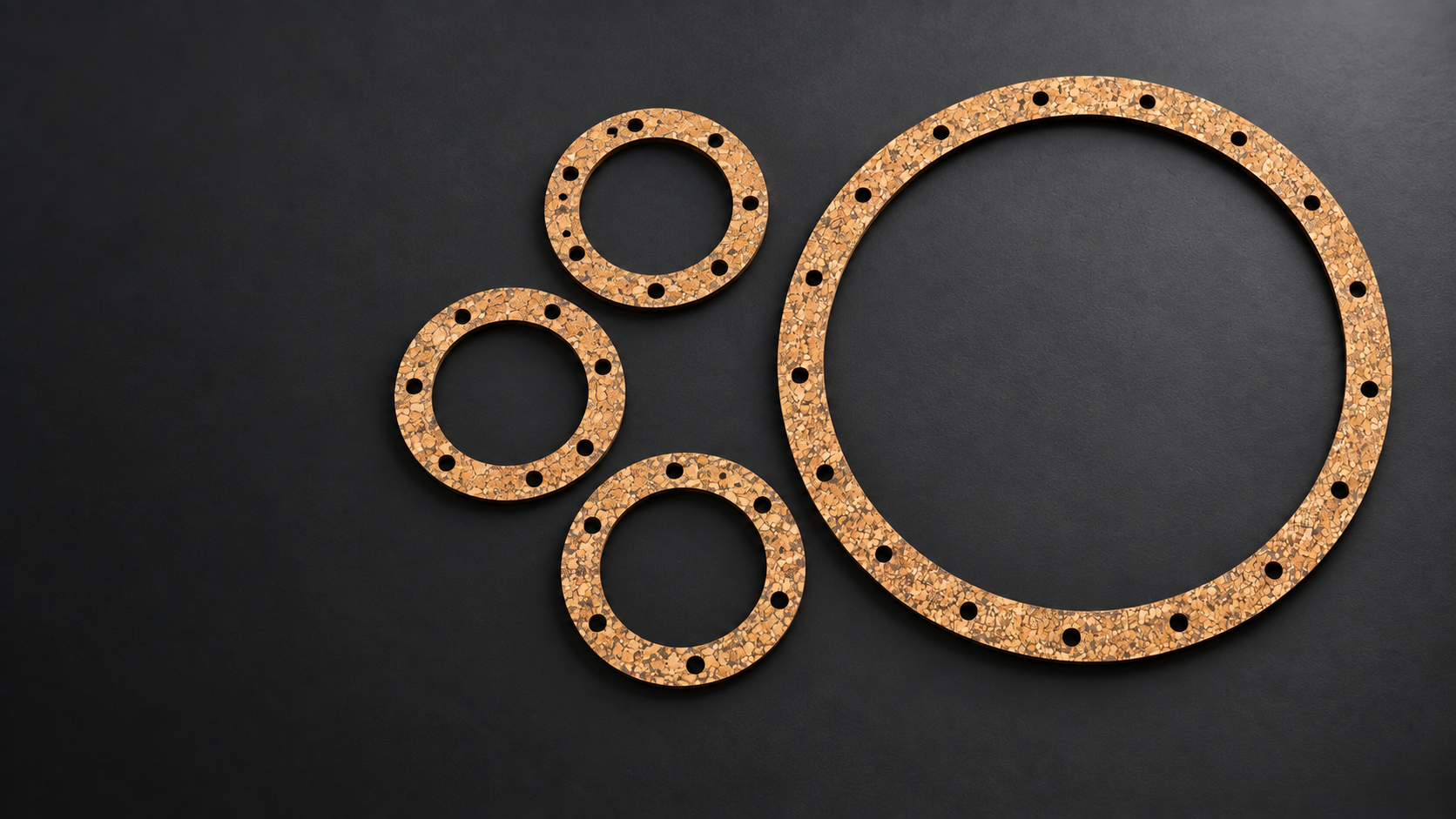
Edited composition based on GT Laser gasket photographs.
What is it?
Acrylic is polymethyl methacrylate (PMMA), a rigid thermoplastic used for signs, plaques, displays and custom components. Clear, coloured, opaque, frosted and mirrored grades offer different visual effects; the precise grade is selected for the application.
Appearance & characteristics
Acrylic offers a clean face and low weight compared with glass. Clear material exposes the edges, reverse face and fixings, while opaque and frosted finishes change how light and print are seen. It is rigid but can scratch or crack under impact or stressed fixings.
Why choose it?
- Premium appearance and wide finish choice
- Suitable for precise laser-cut profiles
- Can be engraved or full-colour UV printed
- Works well in layered products
Typical applications
- Desk name signs and corporate branding
- QR and information plaques
- Wall signs and display panels
- Layered NFC signs and decorative components
Manufacturing processes
CO₂ cutting follows vector profiles for custom geometry, holes and layered sign components. The cut edge can appear smooth and polished, with the result depending on grade, thickness and geometry.
Cast acrylic generally produces a more pronounced frosted engraving. Extruded acrylic often offers consistent thickness and an economical cutting route, but does not produce the same engraved appearance. Choose the grade for the intended result.
UV printing adds logos, text, photographs and variable information to suitable flat pieces. On clear acrylic, white ink can support colour opacity; the underbase shape, viewing side and reverse-print layer order must be defined.
Layered signs can combine separate colours, printed faces, spacers and bases. Alignment, total thickness, adhesive visibility and the installation method are reviewed together.
Thicknesses & formats
Provide the finished width, height, thickness, colour or transparency, and whether cast, extruded or a particular supplier grade is required. Confirm available sheet and component formats with the quotation rather than treating this page as a stock list.
Fixing options
- Adhesive backing
- Holes and stand-offs
- Mechanical or no fixing
Confirm the mounting surface, hole positions, load and removal requirements before choosing the fixing.
Indoor & outdoor considerations
Outdoor use depends on acrylic grade, colour, thickness, edge exposure, fixing and impact requirements.
Tell us about moisture, sunlight, handling and cleaning. Suitability is assessed for the product and installation, without a universal lifetime claim.
Design considerations
- Keep enough material around holes and internal corners; do not force a rigid panel onto uneven fixings.
- Keep protective surfaces clean and consider scratching during handling, cleaning and installation.
- Transparent QR plaques need a predictable background and sufficient contrast in their installed position.
- Mirror-backed or coated grades need composition and process review; not every decorative sheet is interchangeable.
Practical guidance
Acrylic: practical questions
Choose acrylic when rigidity, a premium finish, transparency, colour choice or layered construction matters. Choose engraving laminate when low weight, economical high contrast and straightforward identification are the priorities.
Colour often needs a white underbase on dark, coloured or transparent items. Production-ready vectors may use the spot colour RDG_WHITE, or you can add an unambiguous note such as “WHITE UNDERBASE REQUIRED HERE”.
State “PRINT VIEWED THROUGH THE MATERIAL” and identify both the viewing side and print side. The artwork orientation and colour/white layer order differ from front-surface printing and should be confirmed before production.
Depending on the product, options may include no fixing, self-adhesive backing, drilled holes, stand-off holes or another mechanical arrangement. The material, environment and mounting surface determine suitability.
No. Features around 2 mm or smaller need review because strength and definition depend on the material, thickness, geometry and intended use. Include the finished dimensions so small features can be assessed in context.
Discuss Your Requirement
Send the application, dimensions, quantity, material preference and any drawing, artwork or data. We will review the suitable production route.