
Materials
Materials
Material · Finish · Application
Brass
Best for premium, decorative and traditional-looking identification and plaques.
Request a Quote Compare all materials
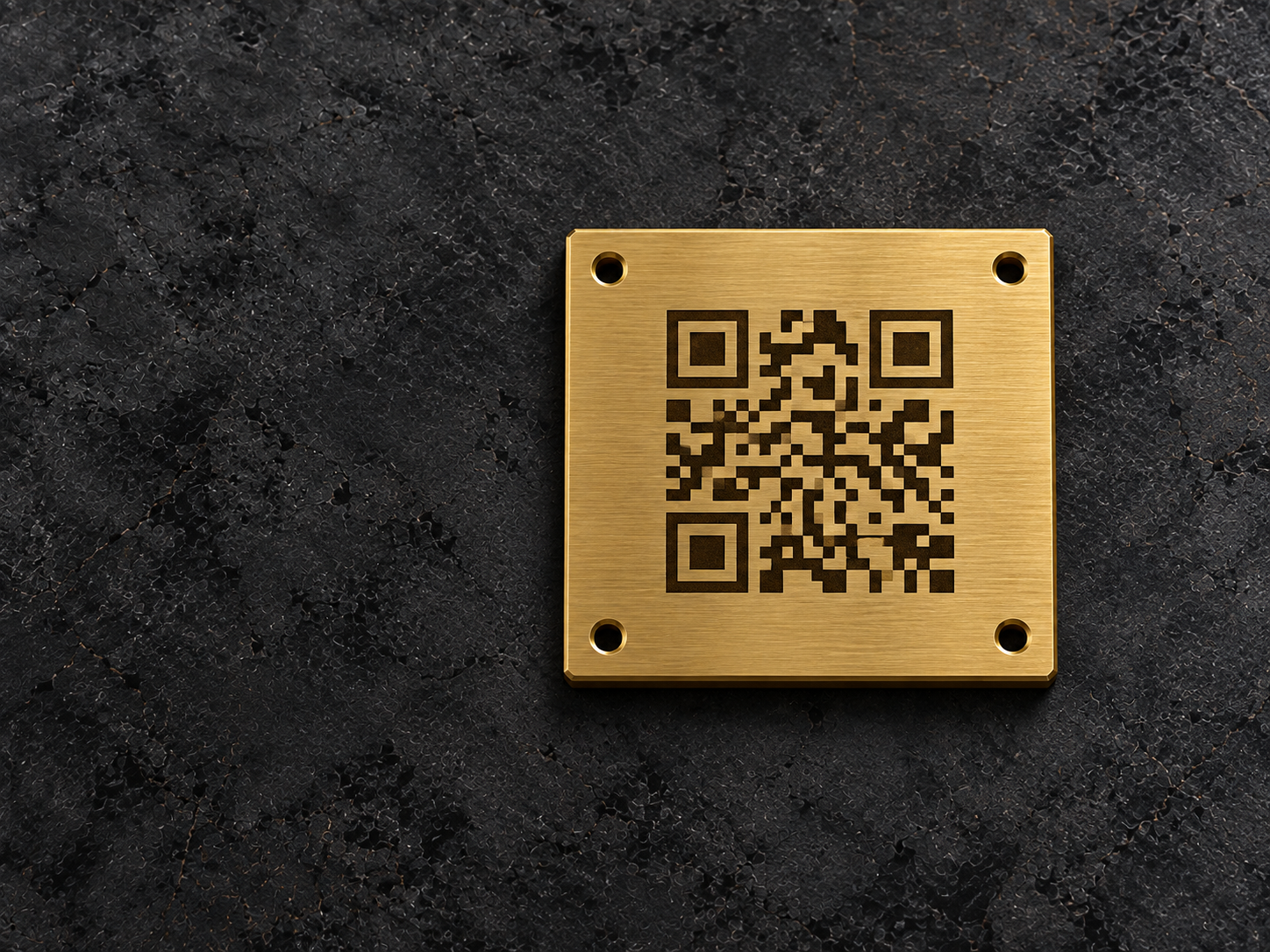
Generated illustrative image; not a GT Laser workshop photograph.
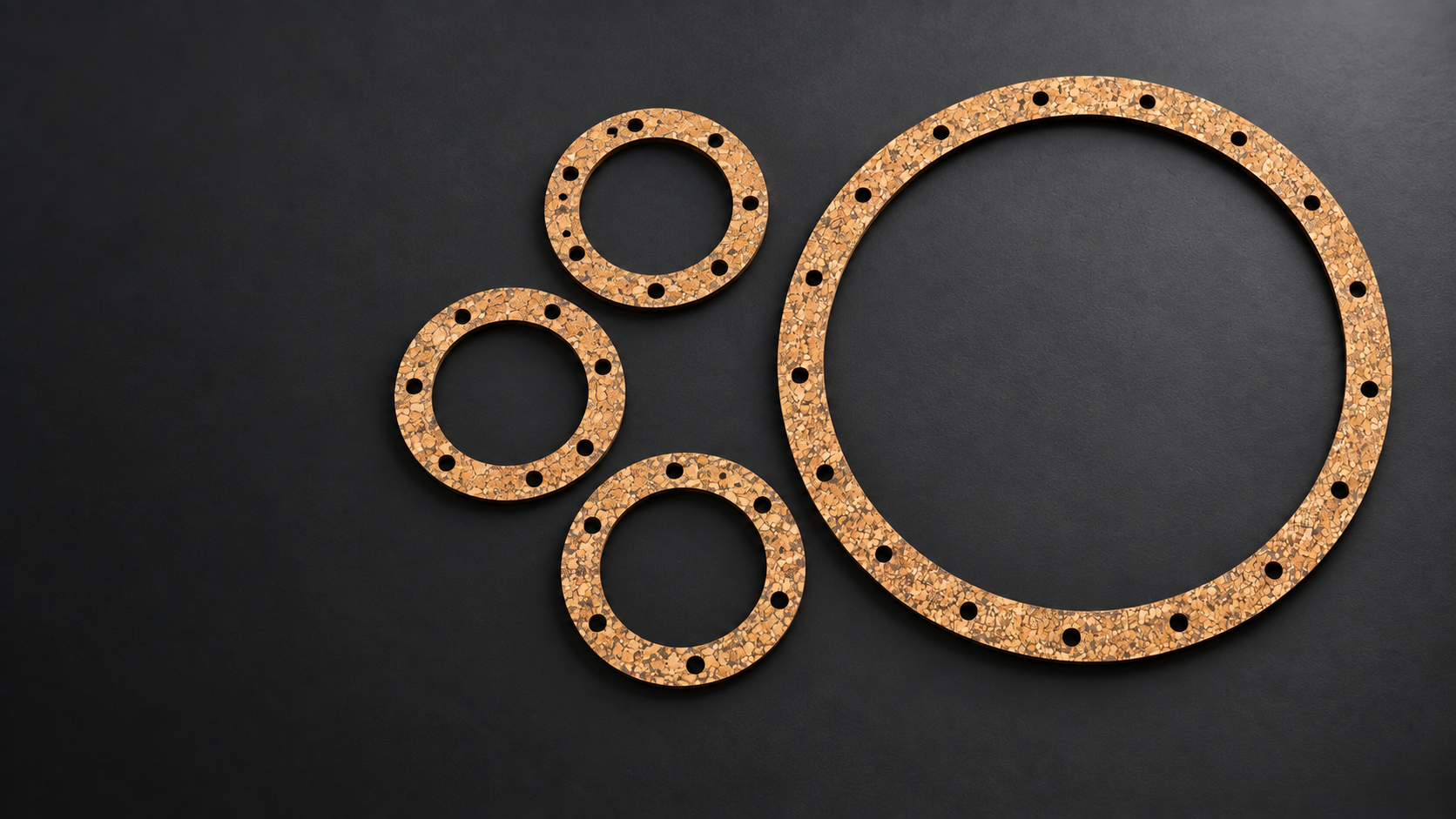
Edited composition based on GT Laser gasket photographs.
What is it?
Brass is a copper-zinc alloy valued for its warm metallic colour and traditional, premium appearance. It is often chosen for interior plaques, nameplates and decorative identification rather than as the default harsh-environment material.
Appearance & characteristics
A solid metal with noticeable weight and a warm gold-toned surface. Polished and brushed finishes reflect light differently. Handling and exposure can cause tarnish or a developing patina; a coating changes both appearance and process suitability.
Why choose it?
- Distinct premium appearance
- Suitable for decorative identification
- Works well for traditional interior signage
Typical applications
- Premium plaques and name plates
- Commemorative signs
- Decorative identification
- Branded interior components
Manufacturing processes
Fibre marking or engraving creates text, logos and identification on suitable brass surfaces. Mark depth and contrast depend on the alloy, finish and chosen process.
UV printing can add colour where the finish, coating and adhesion are suitable. A test can help establish the effect before a complete plaque batch is produced.
Custom plaques and nameplates can be supplied to the agreed dimensions and fixing specification, with artwork positioned to suit the finished component.
Thicknesses & formats
Specify finished size, thickness, alloy or supplier grade where required, surface finish and any protective coating. Available formats and fixing details are confirmed for the quotation.
Fixing options
- Specified holes
- Suitable adhesive or mechanical fixing
- No fixing
Confirm the mounting surface, hole positions, load and removal requirements before choosing the fixing.
Indoor & outdoor considerations
Untreated brass can oxidise or tarnish with handling and exposure; outdoor appearance must be discussed.
Tell us about moisture, sunlight, handling and cleaning. Suitability is assessed for the product and installation, without a universal lifetime claim.
Design considerations
- Agree whether a natural patina is welcome or whether the appearance needs maintenance.
- State the cleaning method and any coating before engraving or printing is selected.
- Reflective finishes need sufficient text or code contrast in the intended lighting.
- For exposed industrial use, compare stainless steel and anodised aluminium before selecting brass for appearance alone.
Practical guidance
Brass: practical questions
Brass is normally selected for its warm, premium appearance. Untreated brass can tarnish and change with handling or exposure, so any outdoor requirement should define the environment and acceptable finish change before the material is selected.
Potentially. A representative sample, exact prototype or short test batch may be recommended depending on the material, process, risk and production quantity.
A test may be recommended for unfamiliar, coated, customer-supplied or high-value items, when exact appearance matters, or when UV-print adhesion is uncertain. A spare or sample piece may be required.
Depending on the product, options may include no fixing, self-adhesive backing, drilled holes, stand-off holes or another mechanical arrangement. The material, environment and mounting surface determine suitability.
Discuss Your Requirement
Send the application, dimensions, quantity, material preference and any drawing, artwork or data. We will review the suitable production route.