
Resources
Acrylic
Engraving Laminate
Stainless Steel
Anodised Aluminium
Brass
Wood
Plywood & Engineered Wood
Glass
Material Guide
Choose the material by application, appearance, environment and performance — then we confirm the manufacturing process.
Discuss Your Application Explore Capabilities
Existing GT Laser website material reference: colour availability and finish remain subject to the quotation.
Material reference from the existing GT Laser website.
Existing GT Laser website product image.
Product photograph from the existing GT Laser website.
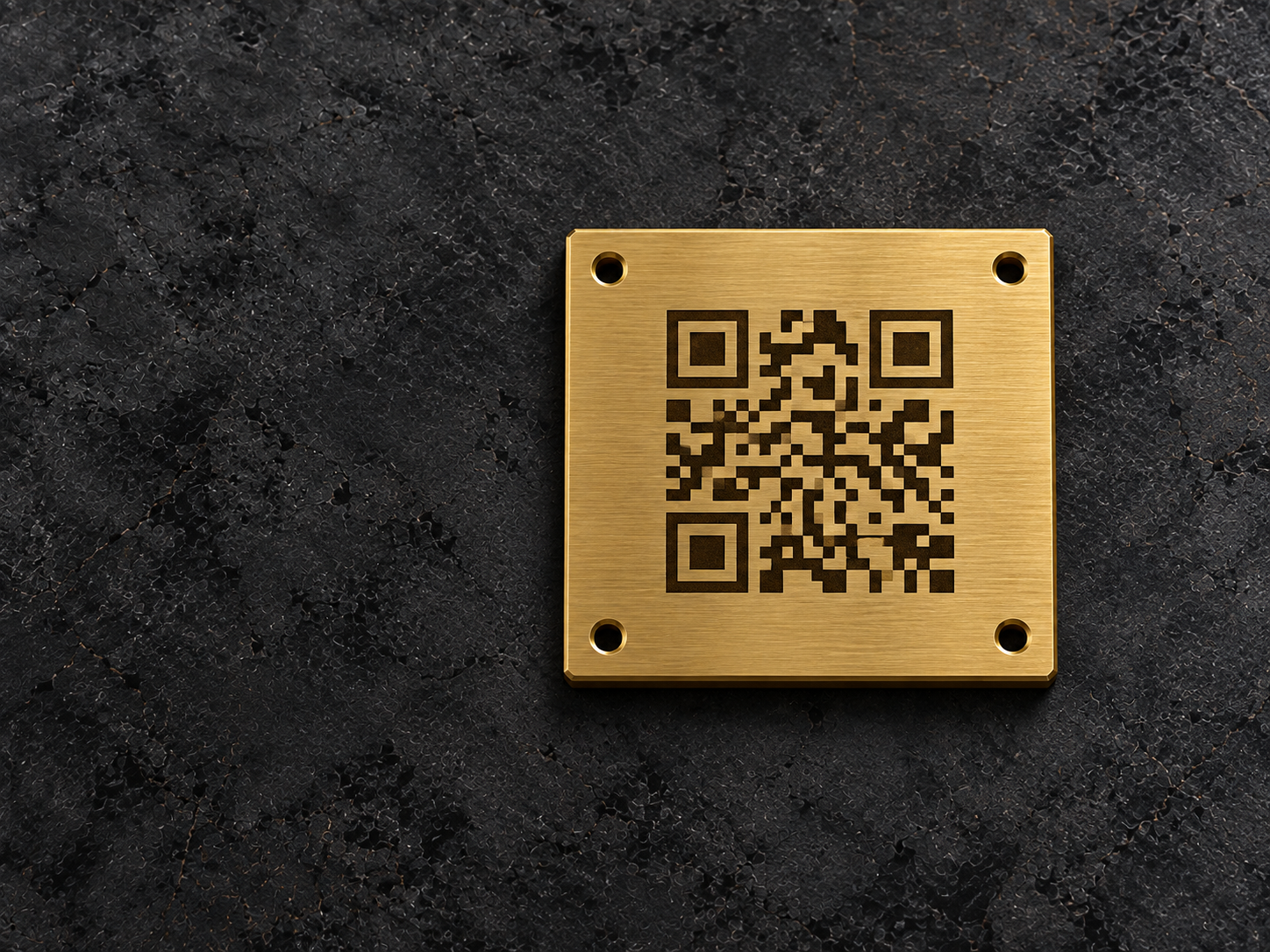
Generated illustrative material image; not a GT Laser workshop or product photograph. QR-style mark is non-functional; final dimensions, finish and code data are confirmed with the quotation.
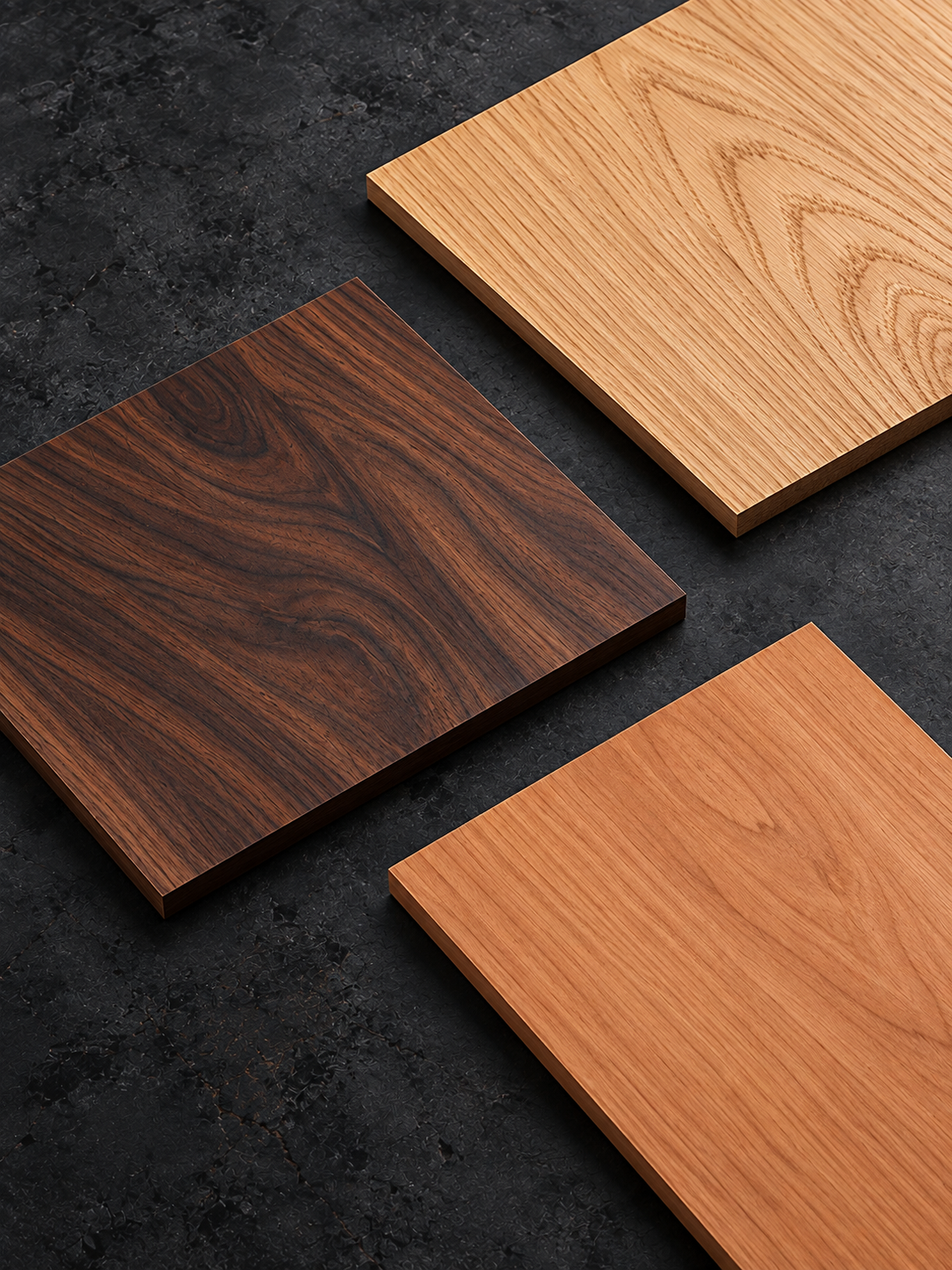
Generated illustrative material image; not a GT Laser workshop or product photograph. Species, thickness and finish are confirmed with the quotation.
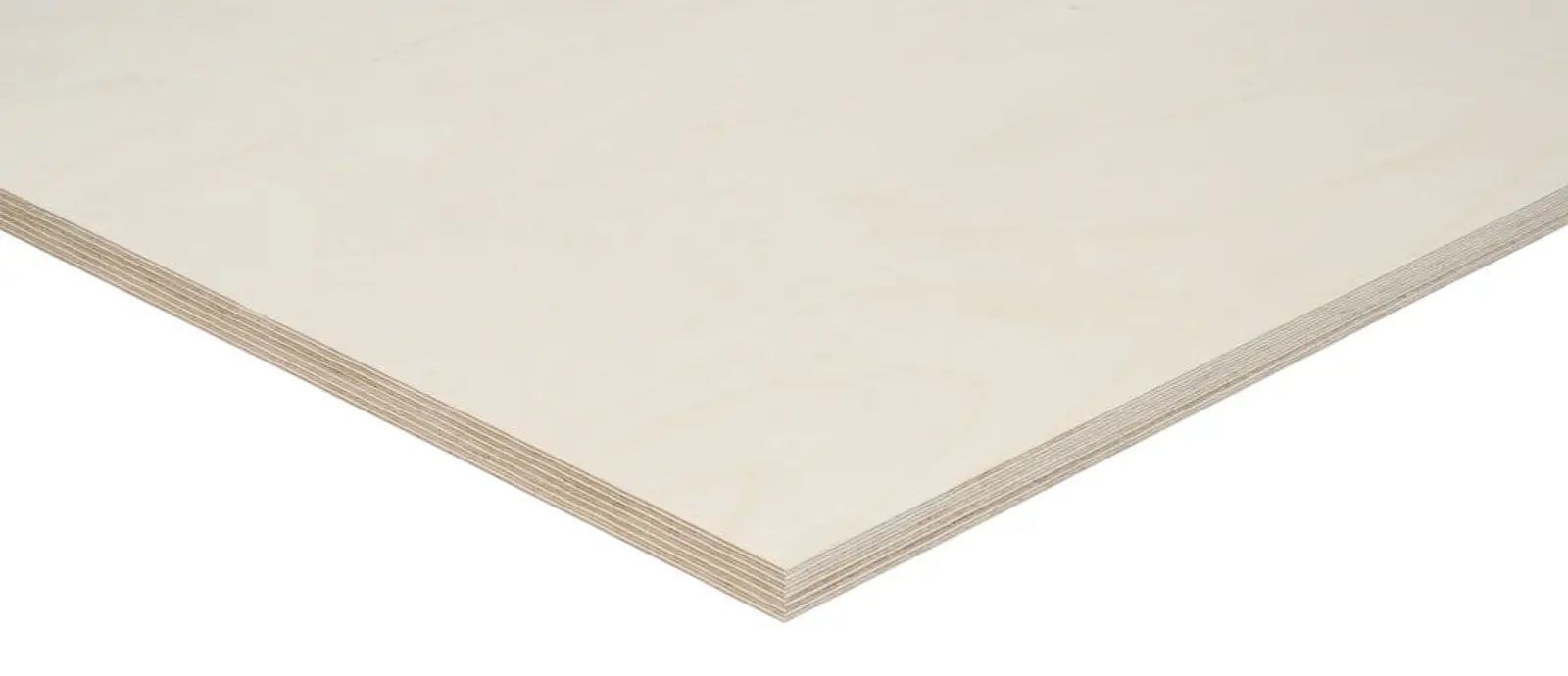
Manufacturer reference: WISA Birch. Example material, not a claim of stocked brand or thickness.
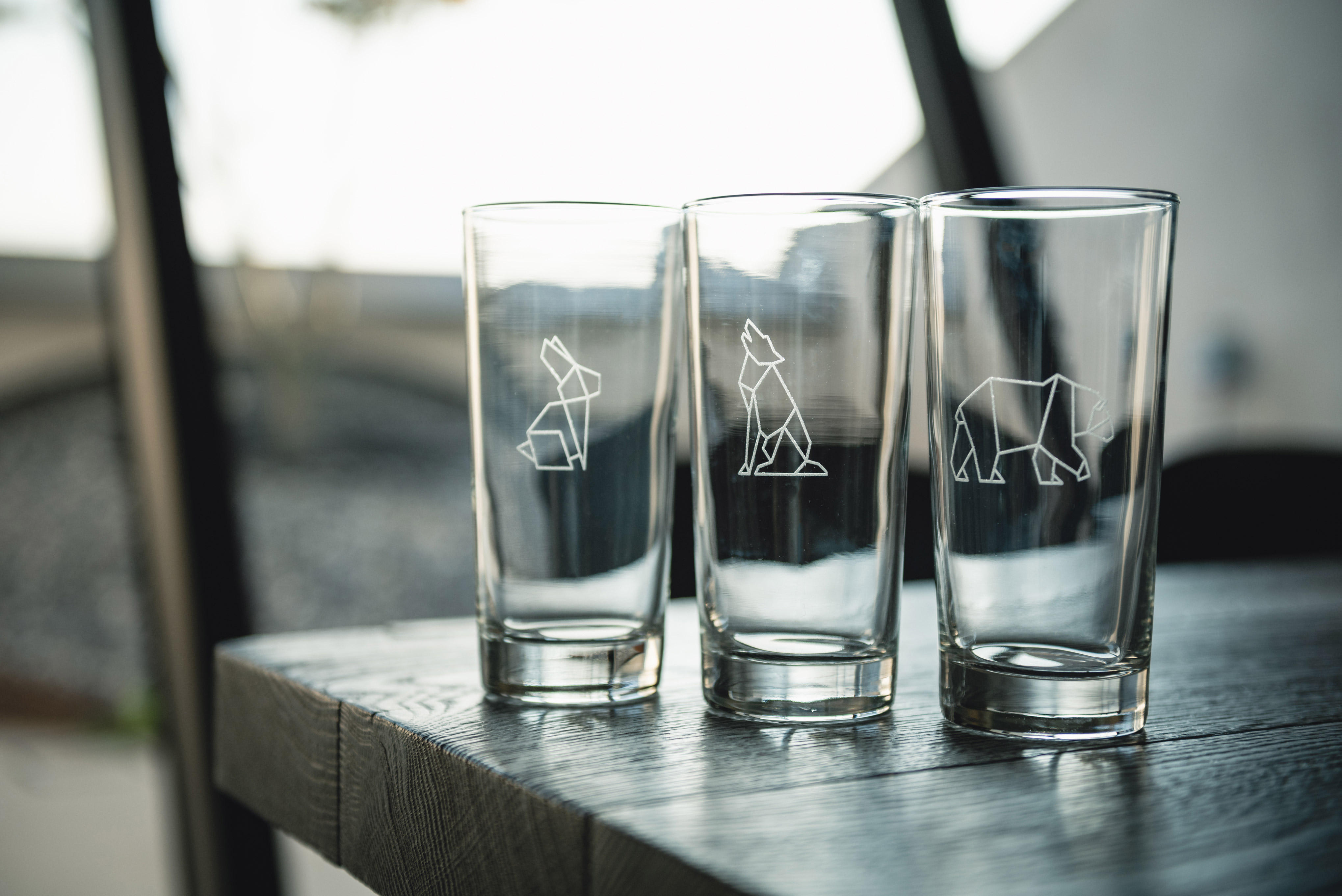
Manufacturer reference: Trotec glass engraving example; not a GT Laser project photograph.
Application first
Material choice affects more than appearance.
Durability, weight, rigidity, corrosion resistance, engraving contrast, print appearance, fixing, outdoor suitability, cost and fine-detail reproduction can all change with the material. Use this guide to narrow the options; GT Laser confirms the final route against the actual requirement.
Visual selector
What matters most?
Outdoor / demanding environment
Subject to grade, finish, fixing and exposure.
Premium appearance
Lightweight
Full-colour graphics
Subject to UV-print adhesion and application testing.
Natural appearance
Material
Engraving Laminate
Best for high-contrast signs, labels and identification where low weight and clear readability matter.
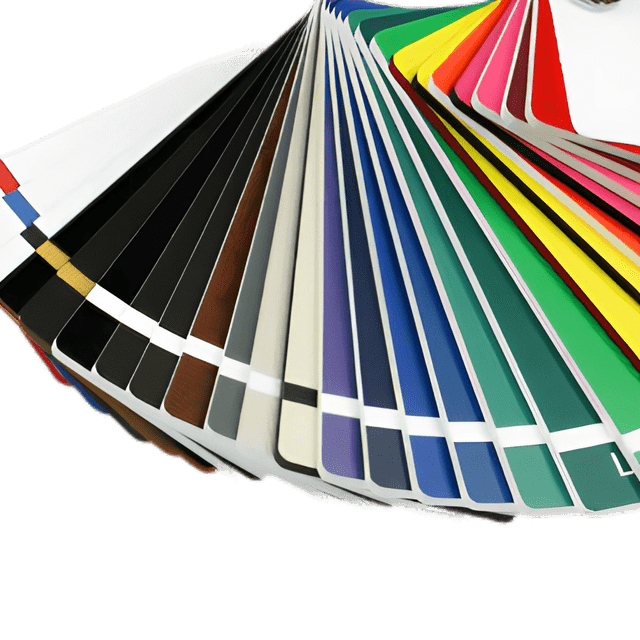
What is it?
A multi-layer plastic made for engraving. Removing its thin surface layer reveals a contrasting core without additional colour filling.
Look and feel
Available in many colour combinations and finishes, including metallic-looking surfaces. It remains a plastic laminate rather than solid metal.
Why choose it?
- Strong visual contrast
- Lightweight and economical
- Easy to add holes or adhesive backing
- Well suited to repeat numbered or variable-data jobs
Typical GT Laser applications
- Equipment and machine labels
- Asset and QR tags
- Locker and table numbers
- Door, room and information signs
Processes available
- CO₂ laser cutting and engraving
- Variable-data production
- UV printing on appropriate grades where required
Fixing possibilities
- Self-adhesive backing
- Screw holes or other mechanical fixing
- No fixing
Environment and things to consider
Indoor and outdoor grades exist; the exact grade and exposure must be confirmed.
- Metallic appearance does not make it a metal component.
- Grade, finish, thickness and exposure affect suitability.
Material
Acrylic
Best for premium signage, desk signs, plaques, displays and clean modern components.
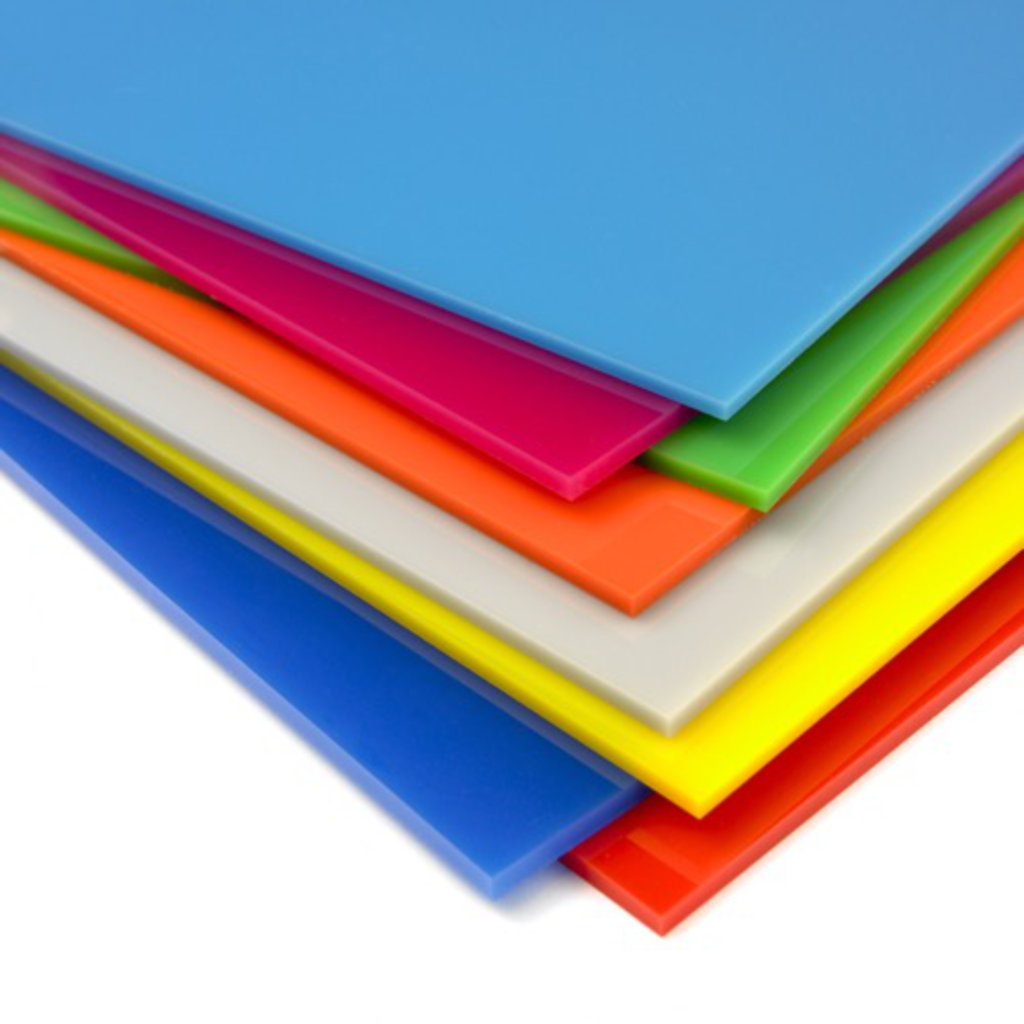
What is it?
A rigid plastic, also known by trade names such as Perspex, available in clear, coloured, frosted, mirror and specialist visual finishes.
Look and feel
Clean and contemporary, with options ranging from transparent polished-looking panels to solid, frosted and mirrored surfaces.
Why choose it?
- Premium appearance and wide finish choice
- Suitable for precise laser-cut profiles
- Can be engraved or full-colour UV printed
- Works well in layered products
Typical GT Laser applications
- Desk name signs and corporate branding
- QR and information plaques
- Wall signs and display panels
- Layered NFC signs and decorative components
Processes available
- CO₂ laser cutting and engraving
- UV printing
- Layered product construction
Fixing possibilities
- Adhesive backing
- Holes and stand-offs
- Mechanical or no fixing
Environment and things to consider
Outdoor use depends on acrylic grade, colour, thickness, edge exposure, fixing and impact requirements.
- Cast acrylic generally gives a more pronounced frosted laser engraving.
- Extruded acrylic is often selected for consistent thickness and economical clean cutting.
- Surface scratching, impact and transparent-print layer order should be considered.
Material
Stainless Steel
Best for durable industrial identification, equipment tags and applications requiring a genuine metal component.
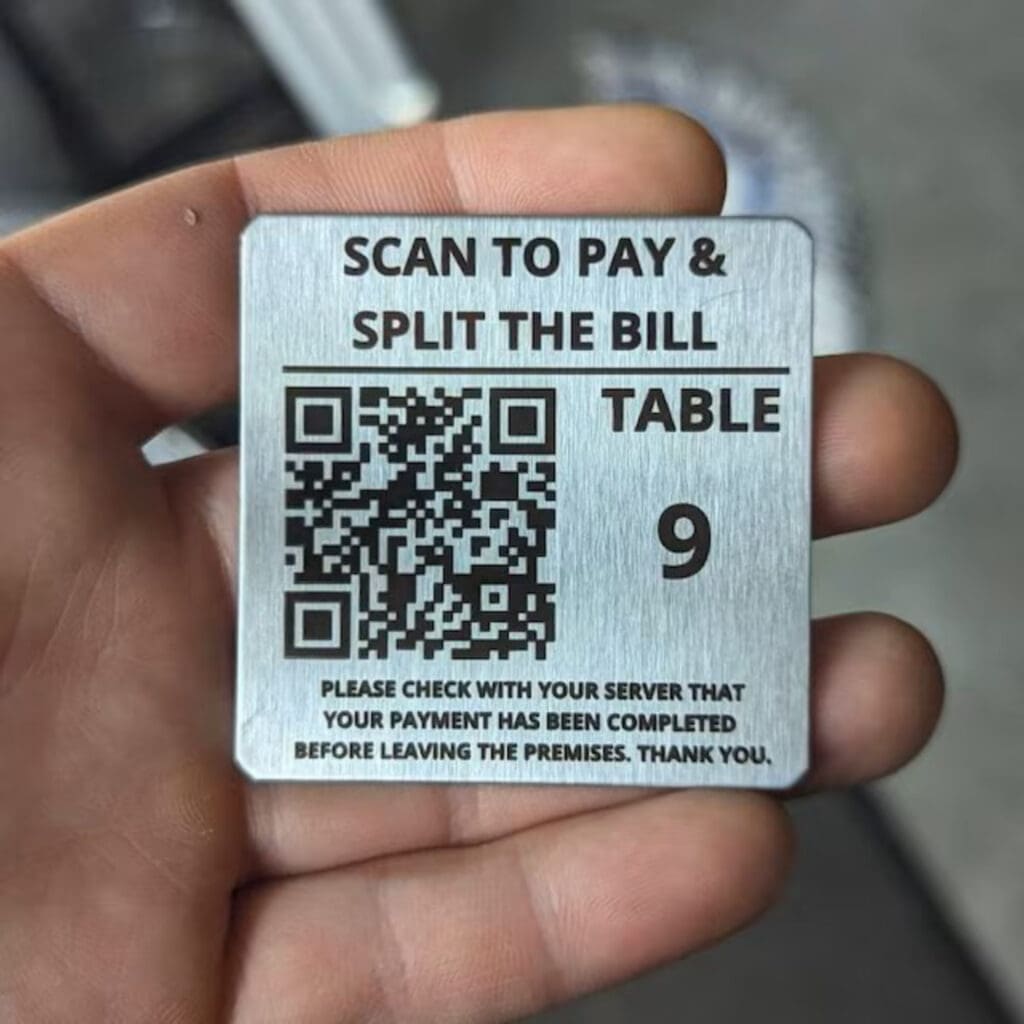
What is it?
A strong corrosion-resistant metal used for professional industrial tags, plates and marked components.
Look and feel
A genuine metal surface available in different grades, thicknesses and finishes, including brushed and smoother presentations.
Why choose it?
- Mechanical strength
- Professional industrial appearance
- Suitable for fine permanent identification routes
- Useful where corrosion resistance matters
Typical GT Laser applications
- Equipment tags and asset plates
- Machine identification and serialised components
- QR or Data Matrix tags
- Rating plates and durable plaques
Processes available
- Fibre laser marking and engraving
- Serialisation and machine-readable codes
- UV printing where suitable and tested
- Custom drawing-controlled components
Fixing possibilities
- Specified holes
- Suitable adhesive systems
- Mechanical or no fixing
Environment and things to consider
304 suits many general environments; 316 is often considered for wetter or more demanding exposure. Final grade choice depends on the application.
- Specify grade, thickness, surface finish and corrosion environment.
- Mark contrast or depth and fixing method should be agreed.
- Custom components can be supplied to drawing and marked to specification.
Material
Anodised Aluminium
Best for lightweight metal identification, premium tags and applications requiring strong contrast with low weight.
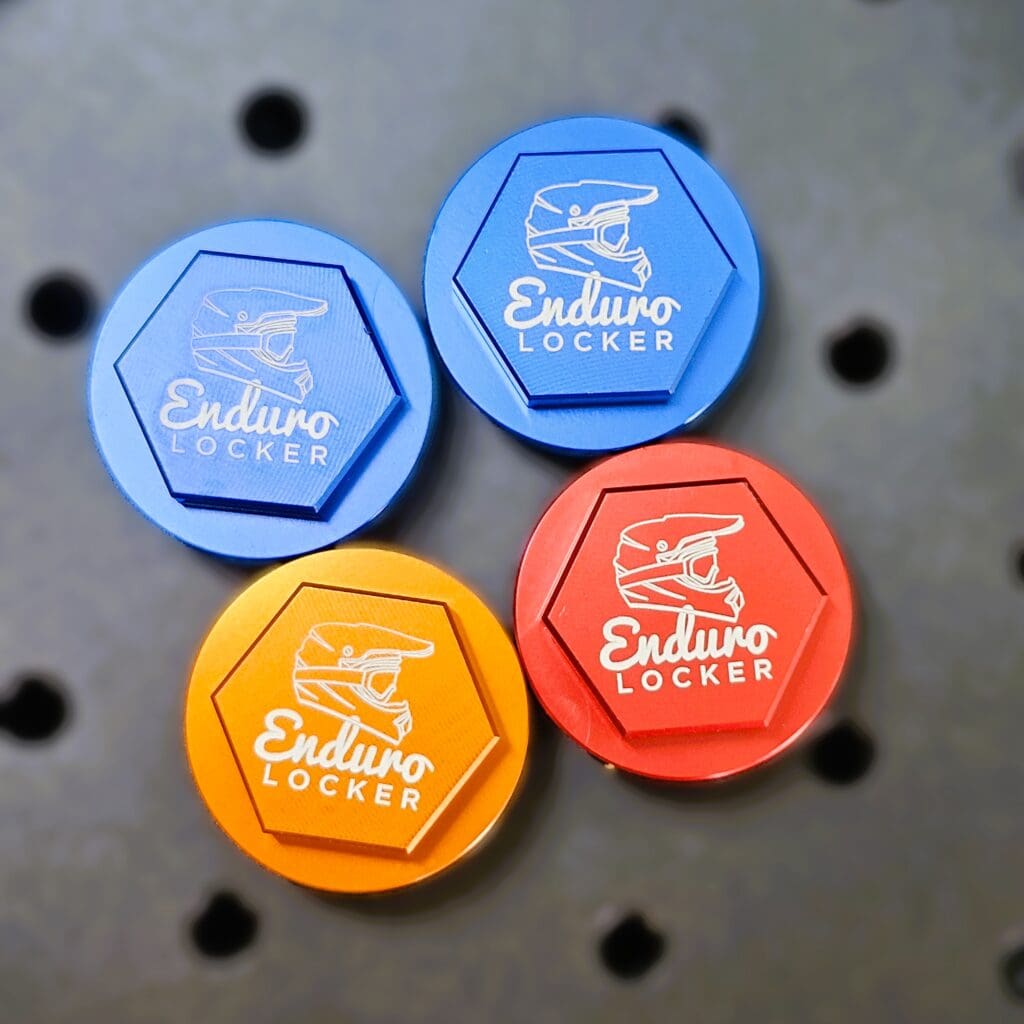
What is it?
Aluminium with a controlled anodised surface layer, available in different colours and finishes.
Look and feel
A professional lightweight metal surface. Selective marking can expose or alter the surface to create high-contrast identification.
Why choose it?
- Low weight
- Professional metal appearance
- Corrosion-resistant surface
- Suitable for fine serial, QR and asset information
Typical GT Laser applications
- Equipment labels and ID plates
- Serialised and QR tags
- Product branding and aluminium cards
- Small custom components
Processes available
- CO₂ engraving can create contrast in suitable anodised finishes; sample review may be required. Fibre remains the principal metal-marking route.
- Fibre laser marking and engraving
- Variable-data production
- UV printing where suitable and tested
- Custom components supplied to specification
Fixing possibilities
- Specified holes
- Suitable adhesive backing
- Mechanical or no fixing
Environment and things to consider
Outdoor potential depends on the anodised grade, colour, finish, exposure and fixing.
- Mark appearance depends strongly on the anodised layer, colour, gloss and preparation.
- A sample may be advisable when exact appearance matters.
Material
Brass
Best for premium, decorative and traditional-looking identification and plaques.
What is it?
A copper-zinc metal alloy chosen primarily for its warm, traditional visual character.
Look and feel
Warm gold-toned metal that can feel more decorative or traditional than stainless steel or aluminium.
Why choose it?
- Distinct premium appearance
- Suitable for decorative identification
- Works well for traditional interior signage
Typical GT Laser applications
- Premium plaques and name plates
- Commemorative signs
- Decorative identification
- Branded interior components
Processes available
- Fibre laser marking or engraving
- UV printing where technically appropriate
- Custom plaques and components
Fixing possibilities
- Specified holes
- Suitable adhesive or mechanical fixing
- No fixing
Environment and things to consider
Untreated brass can oxidise or tarnish with handling and exposure; outdoor appearance must be discussed.
- Finish, coating and acceptable appearance change should be defined.
- It is normally selected for appearance rather than as the default harsh-environment material.
Material
Solid Wood
Best for natural, premium and individually distinctive products.
What is it?
Natural timber whose grain, colour and engraving response vary between individual pieces.
Look and feel
Warm and tactile, with visible grain and natural variation that plastic and metal cannot reproduce.
Why choose it?
- Natural premium appearance
- Every piece has individual character
- Suitable for engraved, cut or printed design routes where approved
Typical GT Laser applications
- Desk signs and name plates
- Information boards and plaques
- Branded signs and product bases
- Custom decorative components
Processes available
- CO₂ laser engraving
- CO₂ cutting depending on species and geometry
- UV printing on suitable prepared surfaces
- Agreed finishing and product construction
Fixing possibilities
- Holes or mechanical fixing
- Suitable adhesive systems
- Freestanding or no fixing
Environment and things to consider
Outdoor use depends on species, finish, moisture exposure, movement and maintenance; it is not assumed.
- Colour, grain, texture and engraving tone will vary.
- Species, resin, moisture, thickness and finishing affect the result.
- Species, available formats and process suitability are confirmed for each requirement.
Material
Plywood & Engineered Wood
Best for larger signs, prototypes, panels and cost-effective wood-based components.
What is it?
A sheet material built from veneers or engineered wood layers, giving more dimensional consistency than many solid timbers.
Look and feel
A wood surface with visible layered edges. Veneer, internal layers and glue system influence the cut edge and engraving tone.
Why choose it?
- Useful in larger sheet sizes
- More dimensionally consistent than many solid woods
- Practical for prototypes and cost-effective panels
Typical GT Laser applications
- Signs and logo panels
- Prototypes and display components
- Information boards
- Layered assemblies
Processes available
- CO₂ cutting and engraving on approved products
- Painting or finishing where agreed
- UV printing on suitable prepared surfaces
Fixing possibilities
- Holes and mechanical fixing
- Suitable adhesive
- Panel framing or no fixing
Environment and things to consider
Outdoor use depends on the exact engineered product, glue, veneer, sealing and exposure.
- Not every plywood or MDF product is suitable for laser processing.
- Material composition must be known before processing.
Material
Glass
Best for decorative plaques, awards, branded panels and premium printed or engraved applications.
What is it?
A rigid transparent material requiring a different production approach from acrylic.
Look and feel
Clean, premium and transparent, with a harder surface and different edge and impact behaviour from acrylic.
Why choose it?
- Premium clear appearance
- Suitable for decorative surface treatments
- Can support colour and white-underbase print routes where tested
Typical GT Laser applications
- Plaques and awards
- Decorative signs
- Printed panels
- Branded display pieces
Processes available
- Surface laser engraving where suitable
- UV printing subject to item and adhesion testing
- White-underbase printing where required
Fixing possibilities
- Purpose-designed stands or frames
- Suitable mechanical or adhesive systems after review
- No fixing
Environment and things to consider
Suitability depends on glass formulation, coating, surface treatment, impact risk and installation.
- GT Laser does not laser-cut glass.
- UV-print adhesion depends on formulation, coating, treatment and cleaning.
- A test or sample may be required.
Customer-supplied material
Already have the component?
GT Laser can assess suitable customer-supplied items for laser engraving, fibre marking, UV printing and variable data. Provide the material specification, dimensions, photograph or drawing, marking area, quantity and a spare or sample where possible. Unknown or high-value items may require a test before the production batch.
Technical note
Materials we need to identify before laser processing
Not every plastic, composite or coated material is safe to laser process. Do not send unknown material for laser cutting without identifying its composition. GT Laser will not knowingly CO₂ laser process unsuitable halogen-containing materials such as PVC.
- PVC, PVC-based synthetic leather and unknown chlorinated materials
- PTFE / Teflon and materials containing fluorine
- Unknown halogenated plastics, flame-retardant composites or resin systems
If the composition is uncertain, send the specification or supplier datasheet first.
Comparison
Material and process starting points
| Material | Appearance | Best for | CO₂ Cut | CO₂ Engrave | Fibre Mark | UV Print | Outdoor potential | Key consideration |
|---|---|---|---|---|---|---|---|---|
| Engraving laminate | High-contrast layered plastic | Labels and signs | Yes | Yes | No | By grade | By grade | Plastic, not solid metal |
| Acrylic | Clear, coloured or specialist finish | Premium signs and plaques | Yes | Yes | No | Common | By grade | Cast/extruded grade and scratching |
| Stainless steel | Genuine industrial metal | Durable tags and plates | No | No | Primary | Test first | Yes | Grade, finish and environment |
| Anodised aluminium | Lightweight finished metal | High-contrast identification | No | Possible | Primary | Test first | By grade | Anodised layer and colour |
| Brass | Warm traditional metal | Premium plaques | No | No | Primary | Possible | Possible | Tarnish and finish change |
| Solid wood | Natural grain | Premium natural products | By species | Yes | No | Possible | By species | Natural variation |
| Plywood | Wood veneer with layered edge | Panels and prototypes | By grade | Yes | No | Possible | By grade | Glue and composition |
| Glass | Clear premium surface | Plaques and printed panels | No | Possible | No | Test first | Possible | No laser cutting; adhesion test |
| Customer-supplied | Depends on supplied item | Existing components | By review | Test first | By review | Test first | By review | Known specification required |
- Possible
- Technically suitable for some grades, finishes or applications; specification or sample review may be required.
- Test first
- Process suitability depends materially on the actual surface or material construction.
This table is a starting point, not a universal compatibility guarantee. GT Laser confirms the actual grade, surface, geometry, process and environment for each requirement.
Practical guidance
Material questions
Start with the application, appearance, environment, weight, rigidity, fixing and expected life. GT Laser then confirms a material and manufacturing route. No material is universally best for every product.
Choose acrylic when rigidity, a premium finish, transparency, colour choice or layered construction matters. Choose engraving laminate when low weight, economical high contrast and straightforward identification are the priorities.
304 is a common general-purpose stainless grade. 316 is often considered for wetter, harsher or more exposed environments because of its greater corrosion resistance. Final suitability depends on the actual exposure, finish, thickness and fixing.
Potentially, after the material, composition, geometry, finish and process have been reviewed. Unknown plastics or composites should not be sent for laser processing without a specification or supplier datasheet. A sample, test piece or spare may be requested.
No. GT Laser will not knowingly CO₂ laser process PVC or other unsuitable halogen-containing materials. If a plastic or composite is unknown, provide its specification or supplier datasheet before sending it for review.
Suitable wood can be engraved and, depending on species and geometry, cut or UV printed. Natural colour, grain, resin and engraving tone vary from piece to piece; that variation is part of the material.
Tell us how the finished product will be used.
Share the environment, appearance, dimensions, quantity, fixing and performance priorities so GT Laser can review an appropriate material route.