
Acrylic
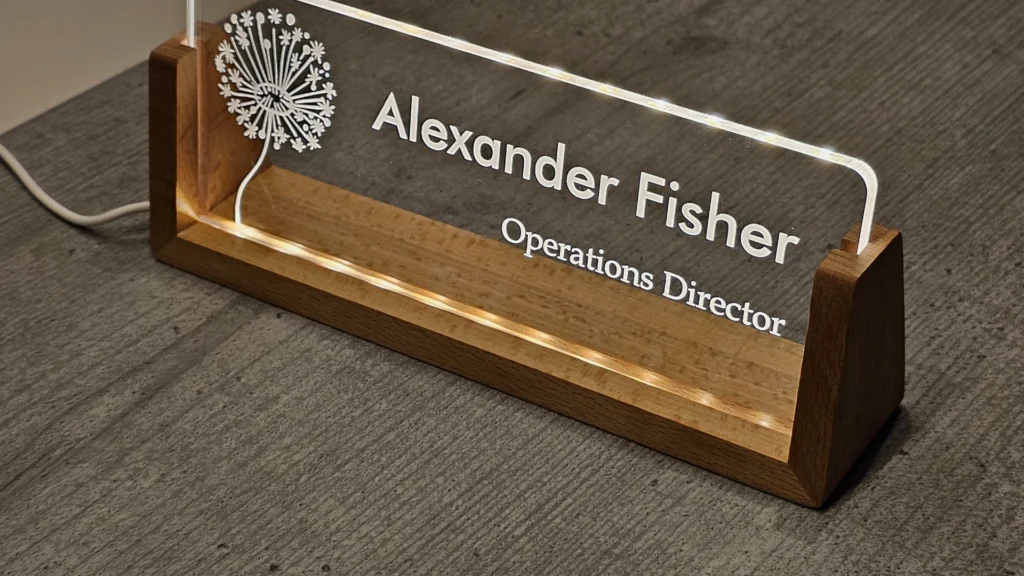
Full-colour plaques, signs and branded pieces, with white-underbase and reverse-print routes where required.
Capability
UV PrintingDirect full-colour and white-ink printing on suitable flat components.
Colour · White · Variable InformationDirect full-colour and white-ink printing on suitable flat components.
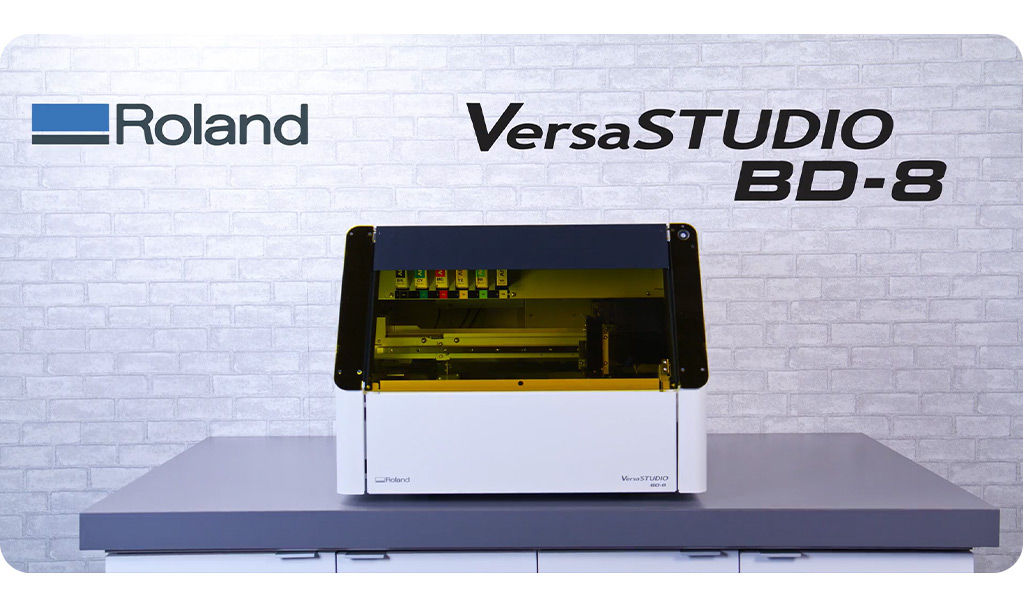
GT Laser uses a Roland VersaSTUDIO BD-8 for direct-to-object flatbed UV printing on suitable flat, printable materials and finished components. The item geometry, printable area and surface are reviewed before production.
Request a Quote Send Your Files
Manufacturer reference image: Roland BD-8; example products shown are Roland’s.
Manufacturer reference image: Roland BD-8.
Capability overview
GT Laser uses a Roland VersaSTUDIO BD-8 for direct-to-object flatbed UV printing on suitable flat, printable materials and finished components. The item geometry, printable area and surface are reviewed before production.
Suitable applications
Customisation and data
Materials & process compatibility
The flatbed printing route is assessed against the actual object geometry, printable area, surface and intended finish. This is not a claim of compatibility with every material or shape.
Full-colour plaques, signs and branded pieces, with white-underbase and reverse-print routes where required.
Printed branding or data where the flat component, surface preparation and adhesion are suitable.
Natural substrates with full-colour graphics, subject to surface condition, preparation and test results.
Premium clear or printed applications where item geometry and adhesion have been tested as appropriate.
Manufacturing technology
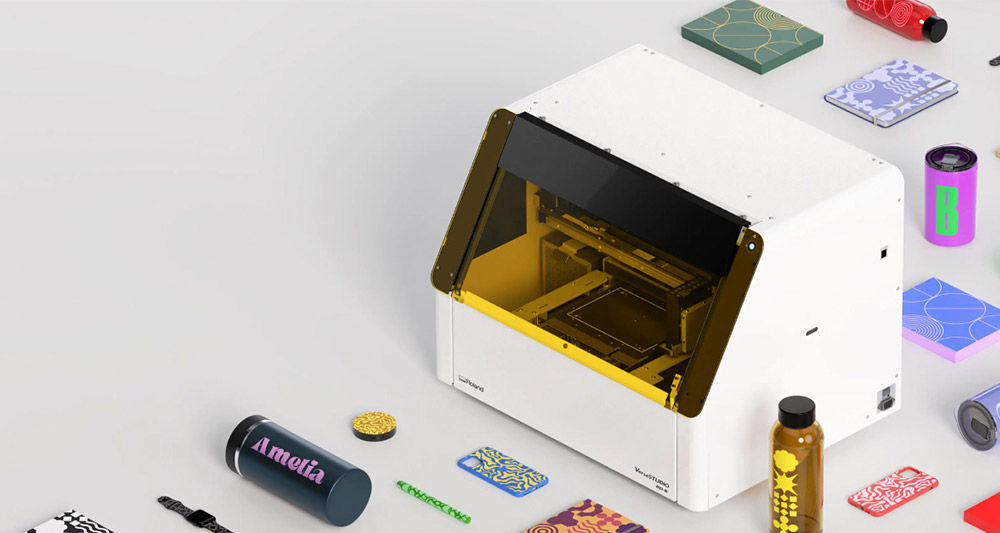 Manufacturer reference image: Roland BD-8; example products shown are Roland’s.
UV flatbed printing
Full-colour graphics, text, logos, photographs and variable print data on suitable flat components, including combined print and laser workflows where required.
Suitable acrylic, plastics, metal, wood and glass, subject to surface suitability and adhesion testing.
Printed plaques, desk signs, branded components and variable-data labels.
The usable layout depends on the item and fixture. White-underbase requirements, viewing side and adhesion are reviewed before printing.
Important limitations
What GT Laser needs from you
Related solution pathways
Consistent workplace signage and identification.
Explore solution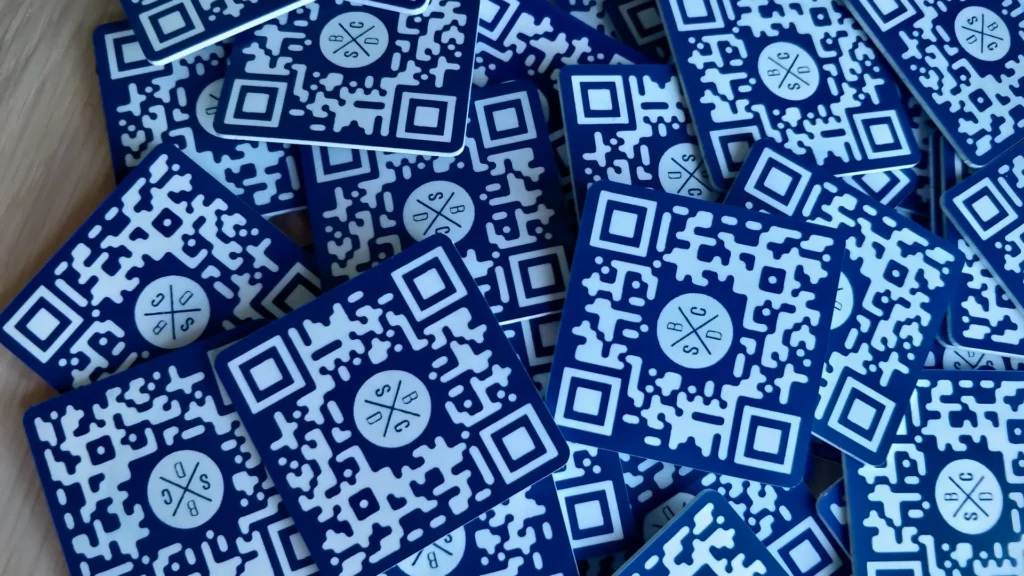
Customer-facing identification and display products.
Explore solution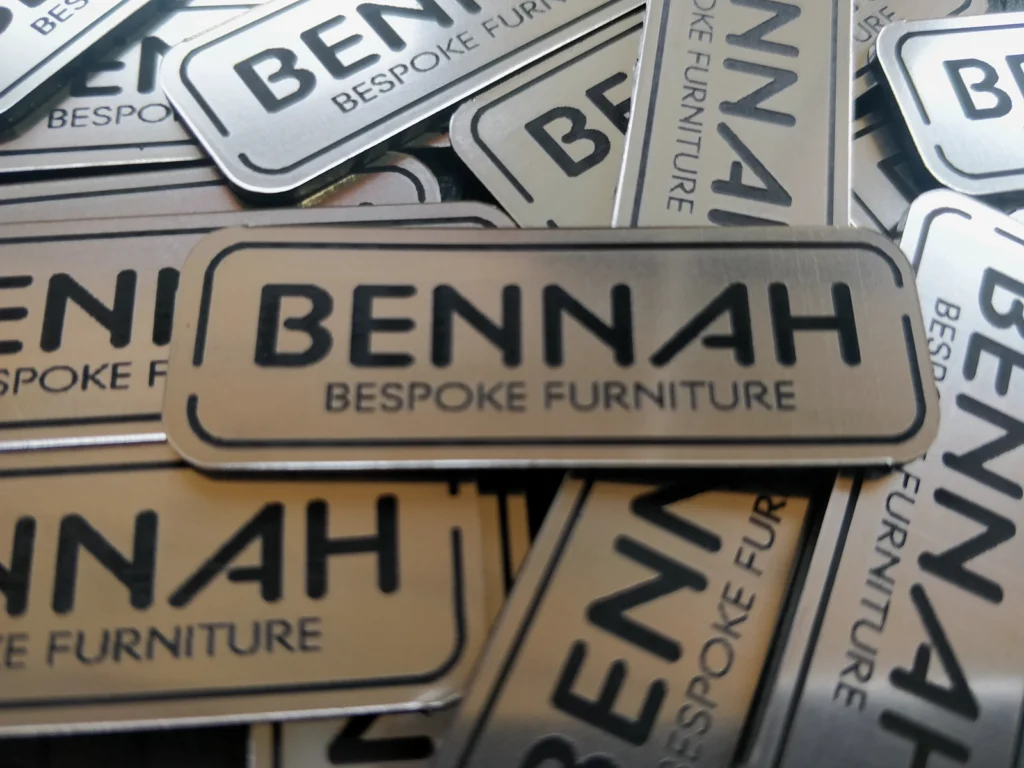
Prototype, small-batch and repeat production from drawings, artwork or a product requirement.
Explore solutionSupporting processes
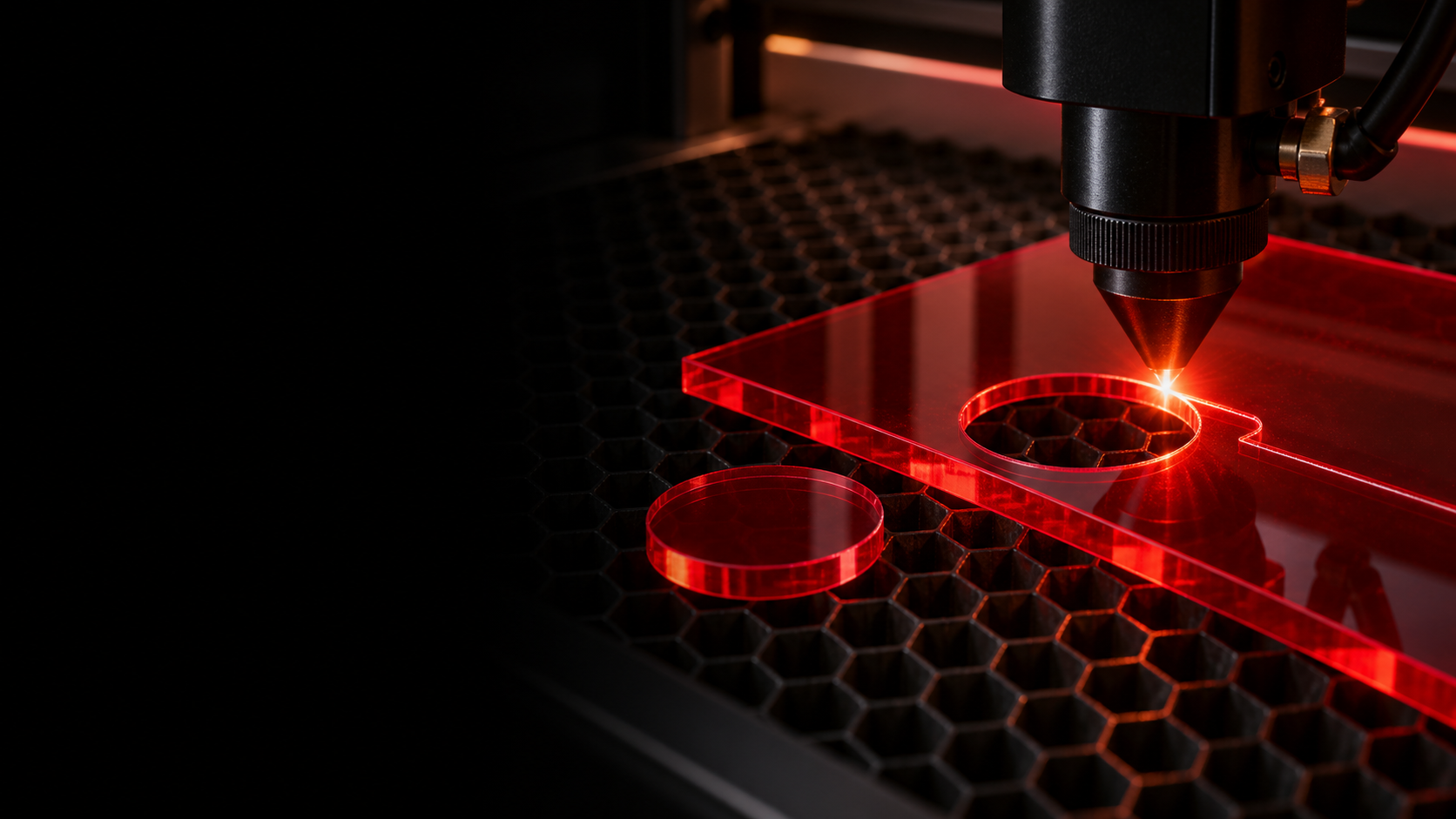
Cutting and engraving on compatible non-metal materials.
Explore capabilityPractical guidance
Supply correctly sized artwork in its intended print position, embed linked images, outline fixed fonts and identify colour expectations, print side and any white underbase. A correctly prepared PDF is preferred.
Colour often needs a white underbase on dark, coloured or transparent items. Production-ready vectors may use the spot colour RDG_WHITE, or you can add an unambiguous note such as “WHITE UNDERBASE REQUIRED HERE”.
Yes, as a visual reference, for suitable raster engraving or for print when the image has enough resolution. A JPEG or PNG does not provide a precise vector cut path, so cutting geometry should be supplied separately.
Potentially, after the material, composition, geometry, finish and process have been reviewed. Unknown plastics or composites should not be sent for laser processing without a specification or supplier datasheet. A sample, test piece or spare may be requested.
A test may be recommended for unfamiliar, coated, customer-supplied or high-value items, when exact appearance matters, or when UV-print adhesion is uncertain. A spare or sample piece may be required.
Provide the item, printable area, artwork and quantity so suitability can be reviewed.