
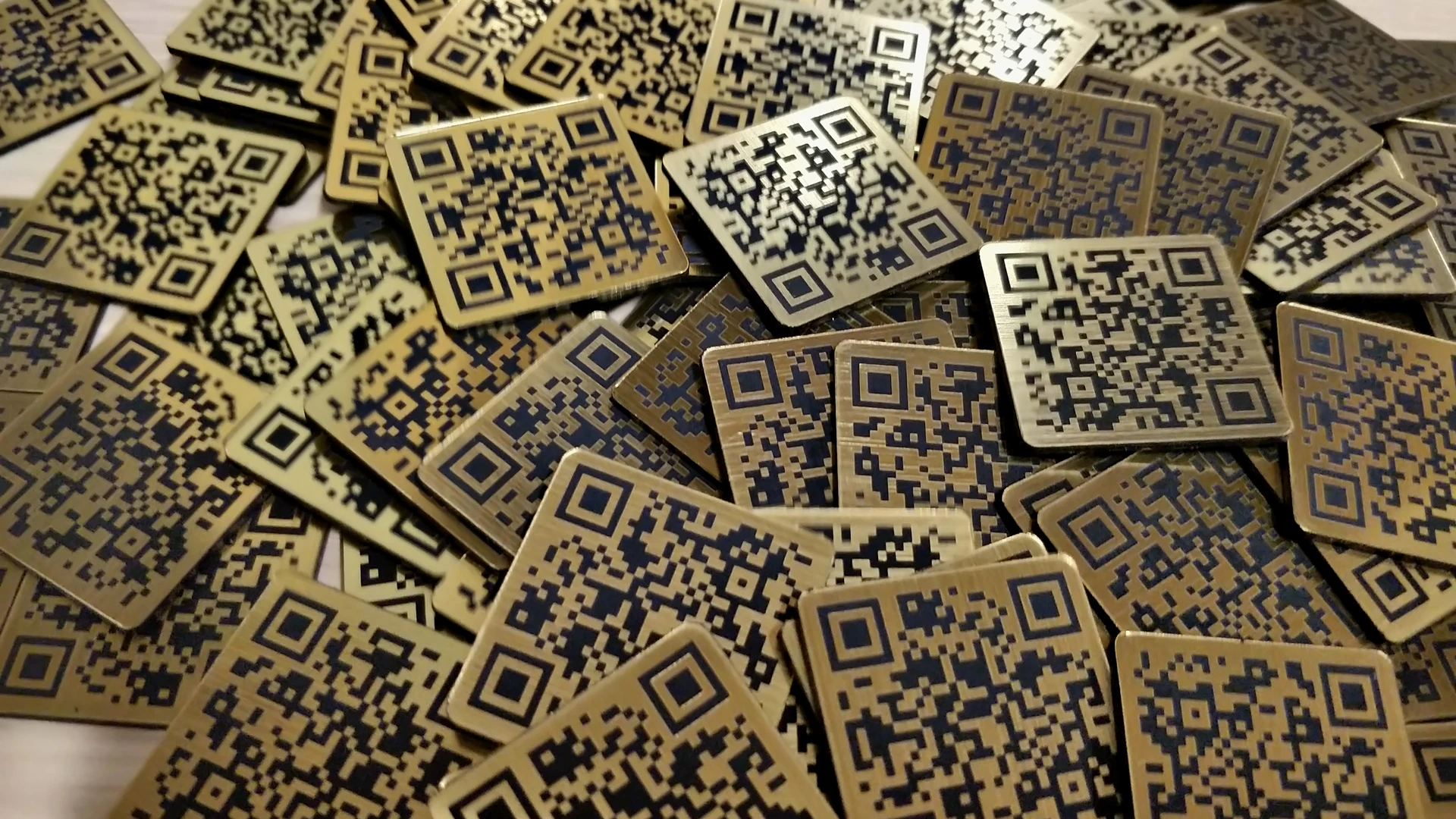

Marked metals
Stainless steel, anodised aluminium and other compatible surfaces can carry controlled serial, asset and code data through fibre marking.
Capability
Capability
Drawings · Artwork · Production Data
GT Laser applies organised variable data across production runs, including serial numbers, sequential and selected numbering, QR codes, Data Matrix, asset IDs, names, unique URLs and batch codes. The physical item and data structure are reviewed together so that quantities, duplicate copies, site schedules and agreed revisions can be controlled before production.
Request a Quote Send Your Files
Generated illustrative image; not a GT Laser workshop photograph.
Edited composition based on GT Laser gasket photographs.
Capability overview
GT Laser applies organised variable data across production runs, including serial numbers, sequential and selected numbering, QR codes, Data Matrix, asset IDs, names, unique URLs and batch codes. The physical item and data structure are reviewed together so that quantities, duplicate copies, site schedules and agreed revisions can be controlled before production.
Suitable applications
Customisation and data
Materials & process compatibility
Variable data can be combined with suitable marking, engraving or printing routes. The item, data, layout and production method are reviewed together.
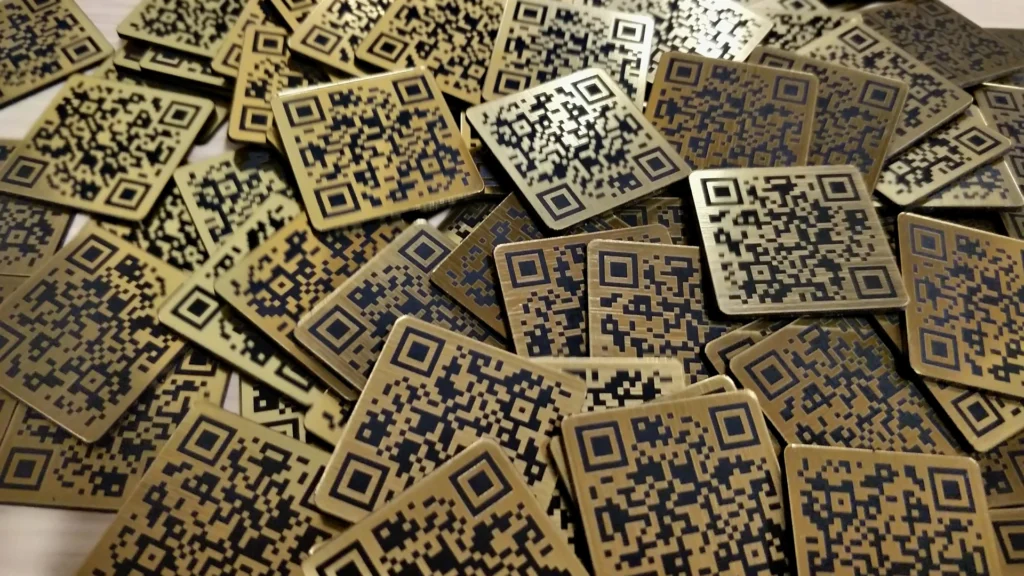
Stainless steel, anodised aluminium and other compatible surfaces can carry controlled serial, asset and code data through fibre marking.
Engraving laminate, acrylic, wood and other approved materials can carry names, numbering and machine-readable codes through CO₂ engraving.
Approved acrylic, metal, wood, glass or customer-supplied items can carry changing full-colour print fields where adhesion and geometry are suitable.
Important limitations
What GT Laser needs from you
Data-control workflow
For variable-data jobs, GT Laser checks the agreed data structure and production requirements before manufacture to reduce avoidable errors.
Related solution pathways
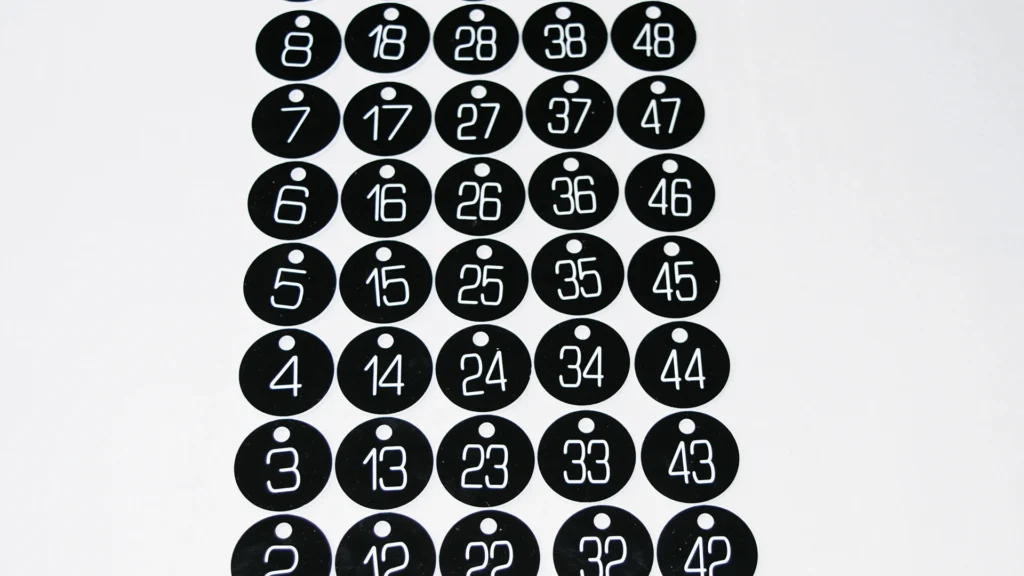
Identification and traceability products made to specification.
Explore solution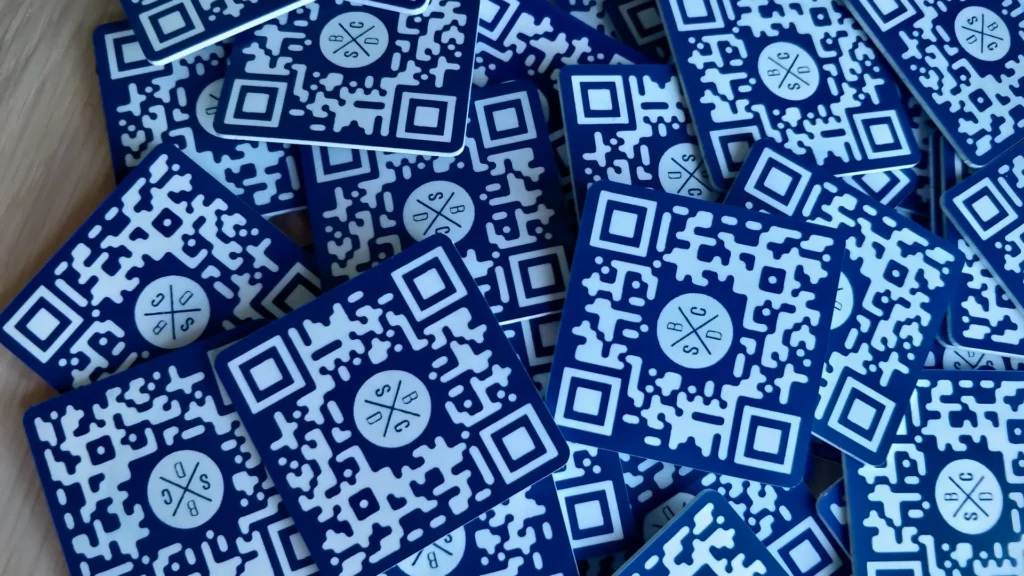
Customer-facing identification and display products.
Explore solution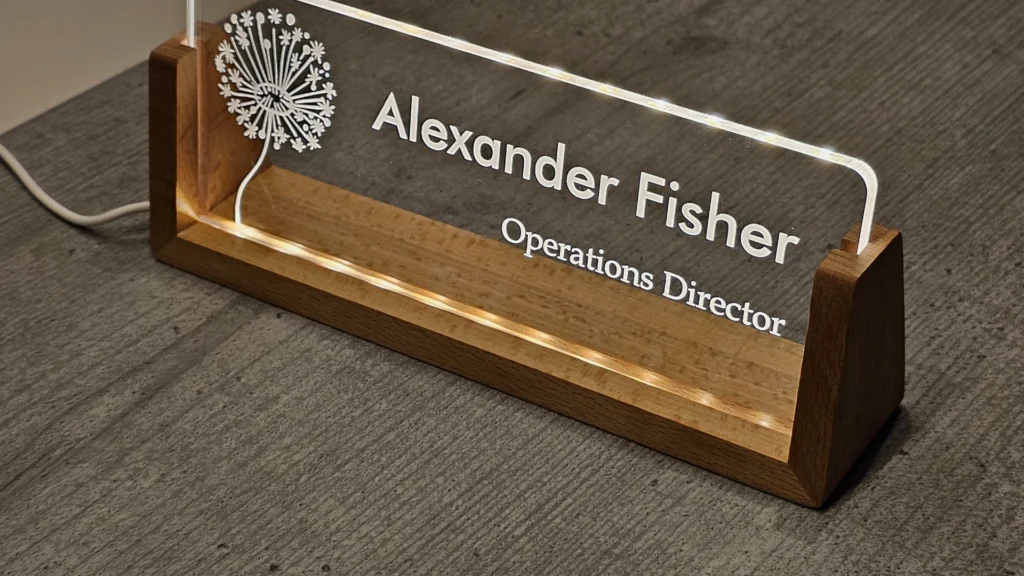
Consistent workplace signage and identification.
Explore solution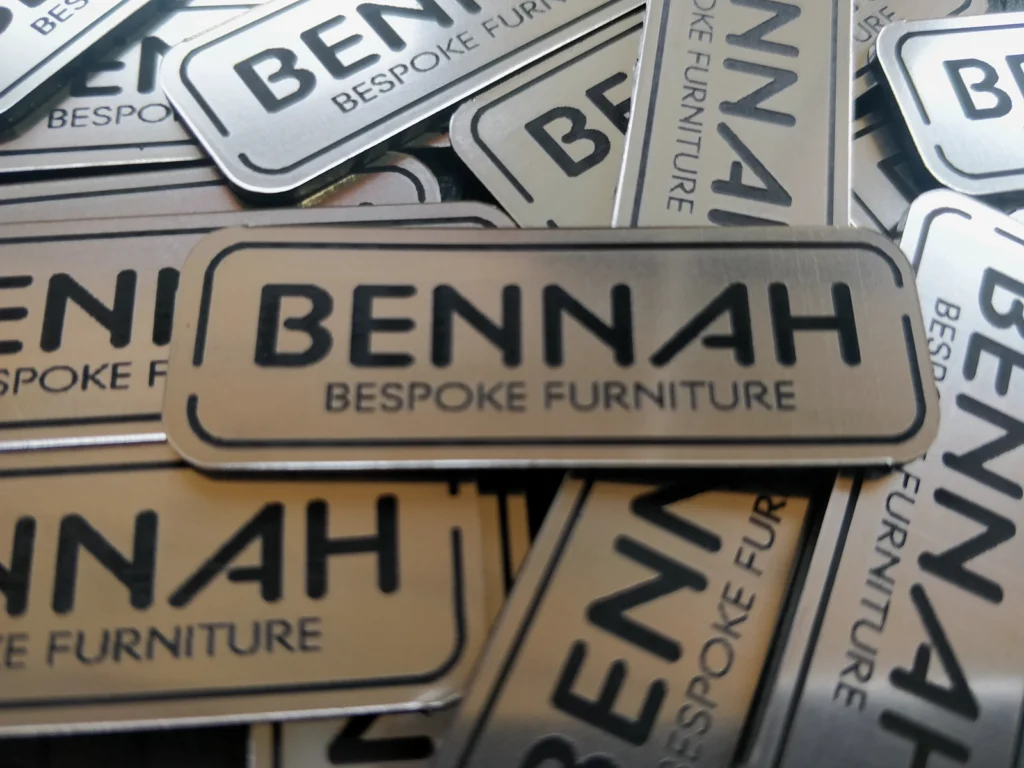
Prototype, small-batch and repeat production from drawings, artwork or a product requirement.
Explore solutionSupporting processes
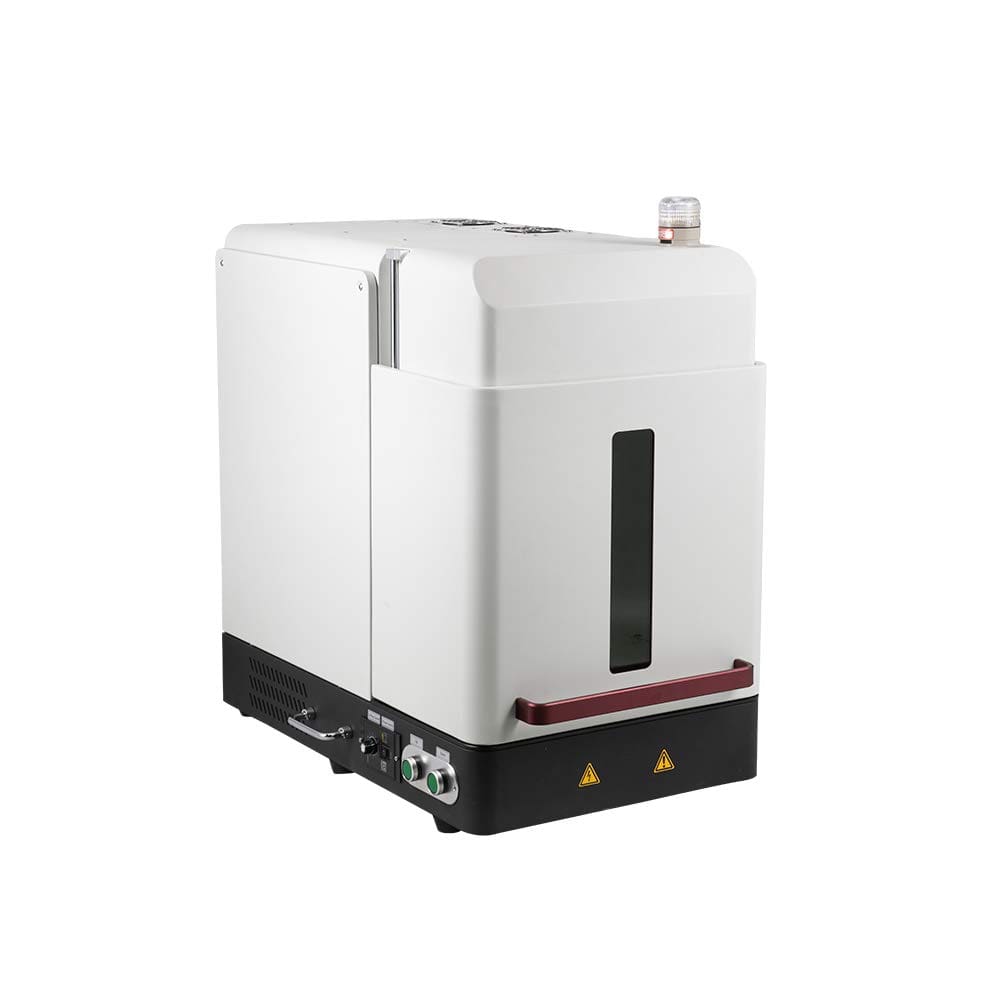
Marking for compatible materials and organised identification data.
Explore capability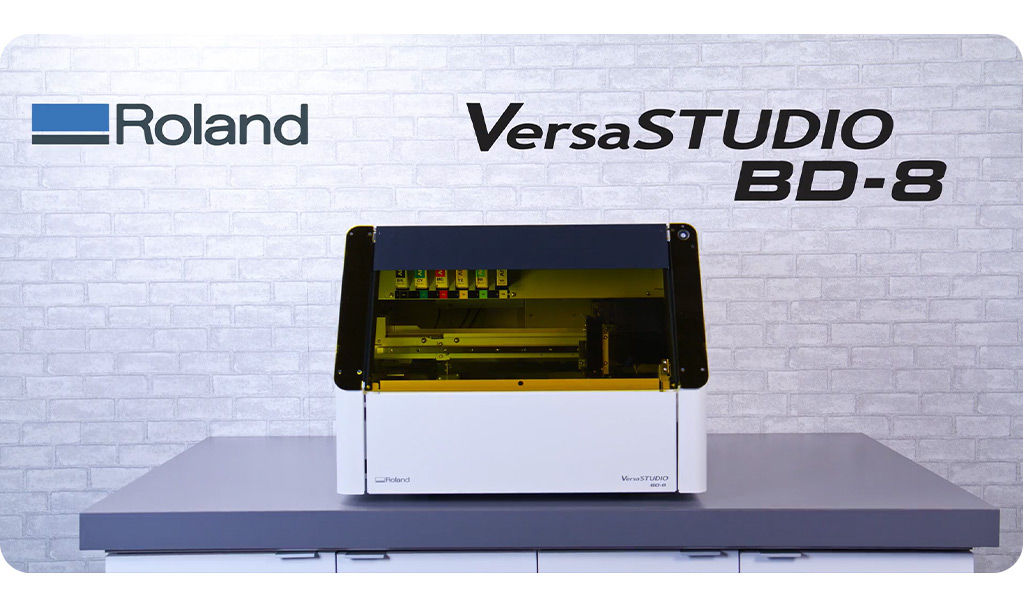
Direct-to-object printing on suitable flat materials and components.
Explore capabilityPractical guidance
Use Excel or CSV with one row per unique item where practical. Identify the total quantity, duplicate-copy rules, selected ranges, site groups and the human-readable fields that must accompany each code.
Yes, where appropriate. Supply the approved source URL, ID or code content in a structured spreadsheet or CSV. The customer remains responsible for confirming supplied content and destinations unless a separate validation scope is agreed.
GT Laser will normally ask for the mismatch to be resolved before production. Missing rows, extra records, duplicates and quantity differences can otherwise create avoidable production errors.
Yes. An approved schedule can specify selected numbers, separate ranges, duplicates, blanks or identifiers such as A/B or L/R. The total quantity and number of unique records should be explicit.
Yes. A layout can combine a machine-readable code with an asset ID, serial number, URL, table number or instruction. The available area, contrast and viewing conditions affect the practical design.
GT Laser can perform agreed scan checks. Code size, contrast, clear space, finish, lighting, device behaviour and the installed environment can affect performance, so the required verification scope should be agreed before production.
Share a representative data sample, item details and quantity so the data structure and production route can be reviewed.