
Materials
Materials
Material · Finish · Application
Engraving Laminate
Best for high-contrast signs, labels and identification where low weight and clear readability matter.
Request a Quote Compare all materials
Generated illustrative image; not a GT Laser workshop photograph.
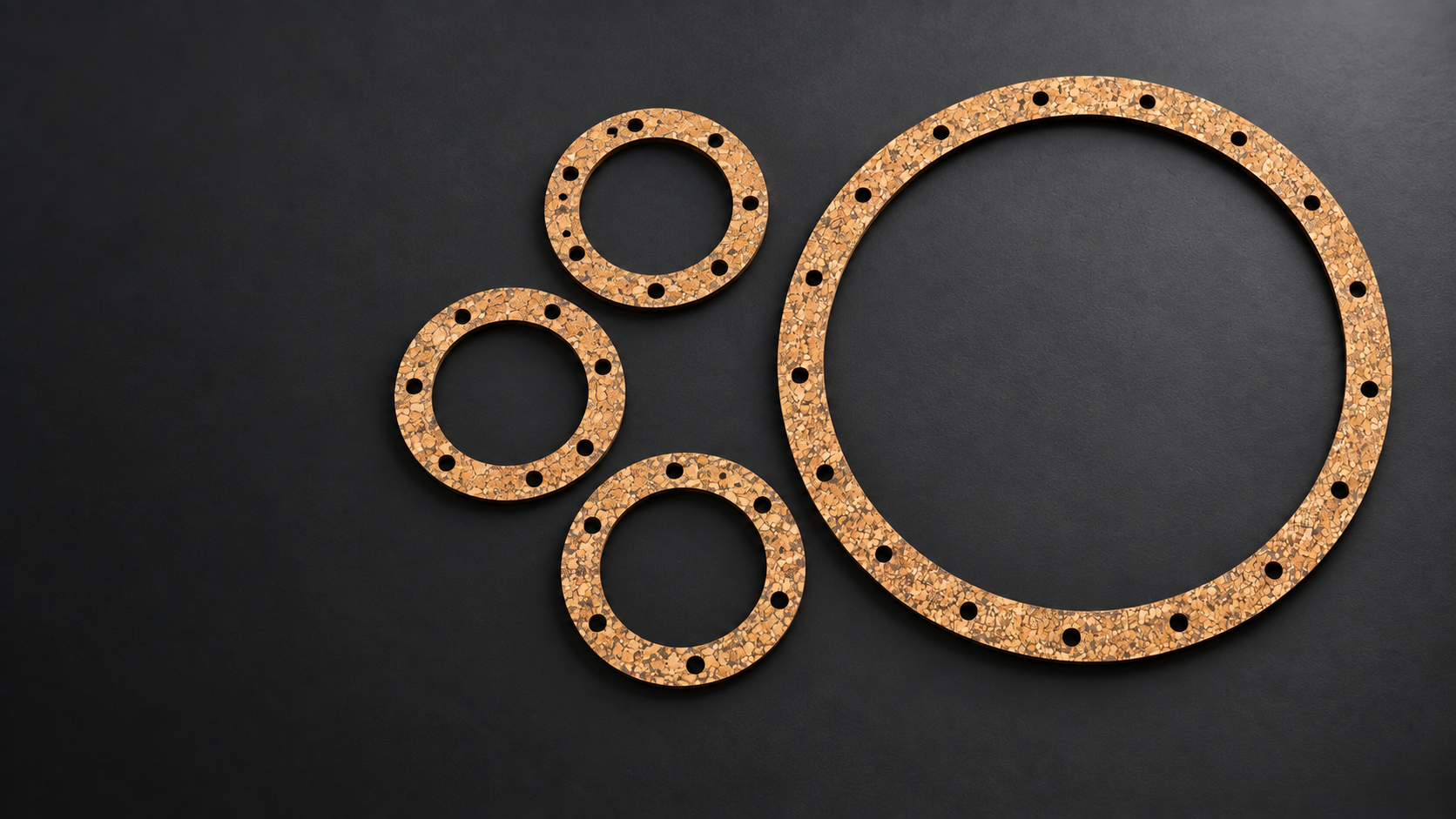
Edited composition based on GT Laser gasket photographs.
What is it?
Engraving laminate is a layered engraving plastic. A thin coloured cap sits over a contrasting core; engraving removes selected areas of the cap to reveal readable text or graphics. Metallic-look finishes reproduce an appearance, not the strength or corrosion behaviour of solid metal.
Appearance & characteristics
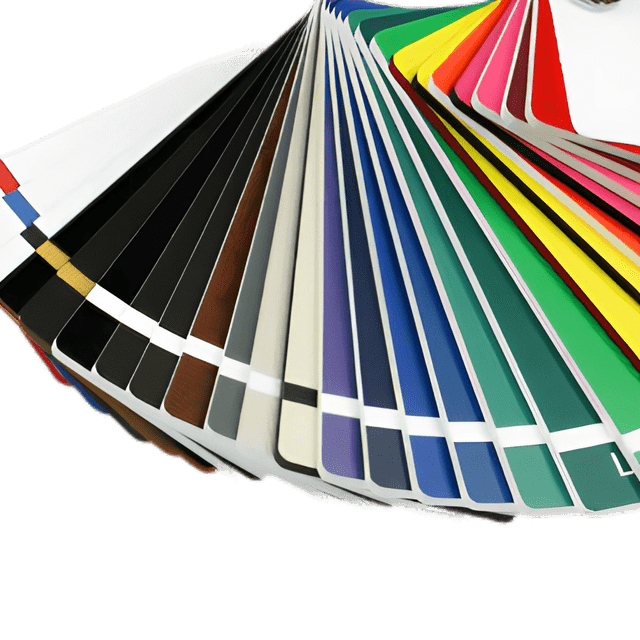
Lightweight sheet construction makes laminate practical for many small labels without adding the weight of metal. Rigidity depends on thickness and support. Surface/core colour combinations determine the engraved contrast; a brushed-metal effect is still a plastic surface.
Why choose it?
- Strong visual contrast
- Lightweight and economical
- Easy to add holes or adhesive backing
- Well suited to repeat numbered or variable-data jobs
Typical applications
- Equipment and machine labels
- Asset and QR tags
- Locker and table numbers
- Door, room and information signs
Manufacturing processes
CO₂ laser processing removes the cap for text, logos, numbers and QR codes, and cuts compatible grades to the agreed profile. A cut outline and engraving artwork should be supplied as distinct elements.
Variable-data production changes the number, asset ID or code between items while retaining an approved layout. Quiet zones and sufficient contrast matter for readable QR tags.
UV printing can add colour on appropriate grades after surface and adhesion review. It is a different route from revealing the contrasting core.
Thicknesses & formats
Specify sheet grade, surface/core colours, thickness, finished size and hole positions. Availability and suitable thickness are confirmed for the quotation; a metallic-looking sample should not be specified as metal.
Fixing options
- Self-adhesive backing
- Screw holes or other mechanical fixing
- No fixing
Confirm the mounting surface, hole positions, load and removal requirements before choosing the fixing.
Indoor & outdoor considerations
Indoor and outdoor grades exist; the exact grade and exposure must be confirmed.
Tell us about moisture, sunlight, handling and cleaning. Suitability is assessed for the product and installation, without a universal lifetime claim.
Design considerations
- Leave room for readable characters, code clear space and fixing holes rather than filling the entire face.
- Small features and thin bridges need enough remaining material to survive handling and installation.
- Agree whether the item needs an engraved finish, printed colour or both before artwork is finalised.
Practical guidance
Engraving Laminate: practical questions
Engraving laminate is a lightweight multi-layer plastic that reveals a contrasting core when engraved. It is useful for readable equipment labels, signs, number discs, QR tags and repeat variable-data identification.
Choose acrylic when rigidity, a premium finish, transparency, colour choice or layered construction matters. Choose engraving laminate when low weight, economical high contrast and straightforward identification are the priorities.
Yes, for suitable products. Each item can contain a different approved URL or code value while retaining a common layout, material and production specification.
Yes, where the component and manufacturing route allow it. Provide hole diameter, quantity and positions from reliable edges or datums, together with the intended fixing method.
Adhesive backing can be considered for suitable products. The product material, mounting surface, temperature, moisture, texture and permanence requirement must be reviewed.
Discuss Your Requirement
Send the application, dimensions, quantity, material preference and any drawing, artwork or data. We will review the suitable production route.