
CO₂ laser cutting & engraving
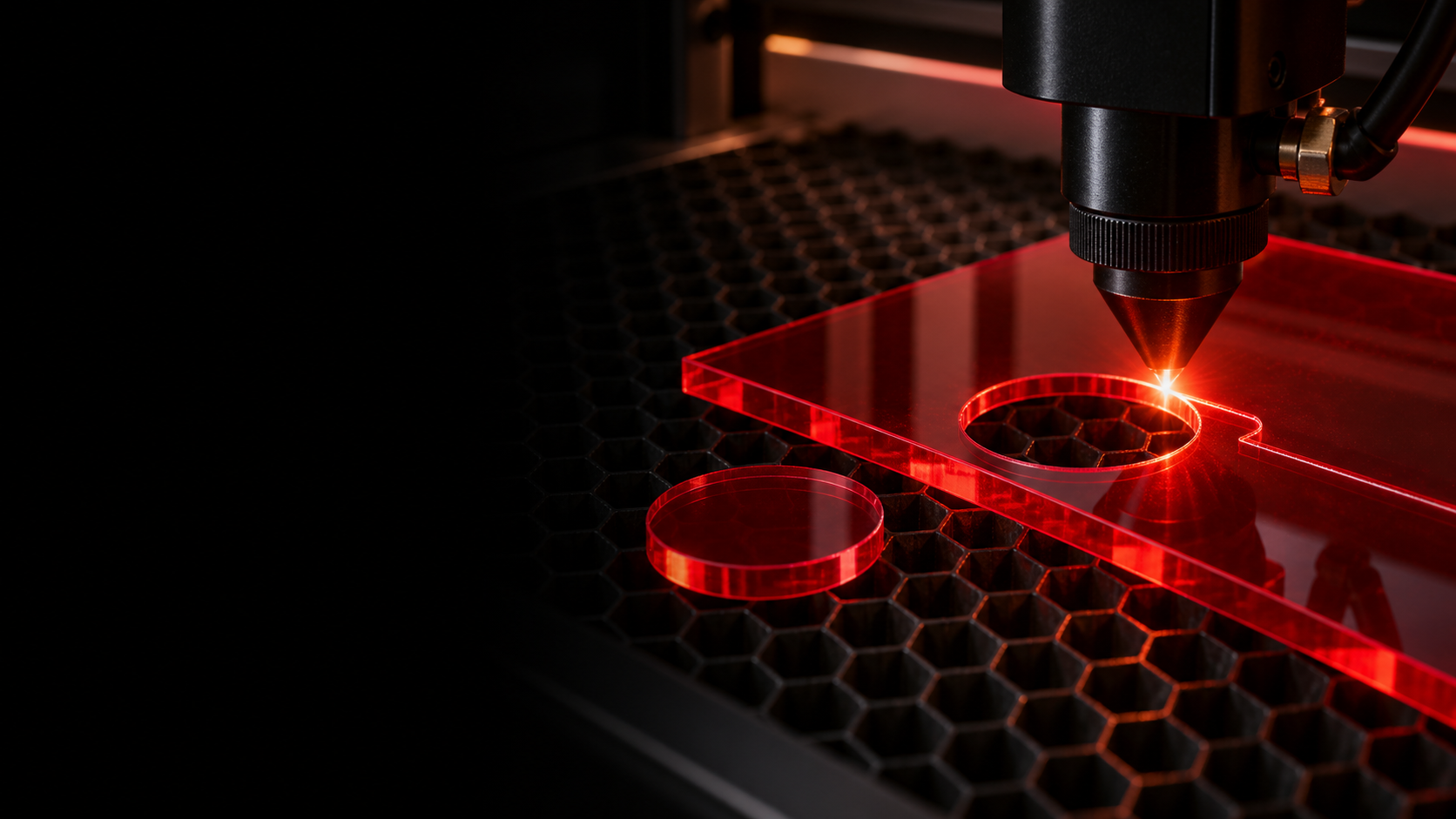
Prepare vector cut and score paths, raster engraving and non-metal geometry.
Open the artwork guideResources
Vector cutting paths
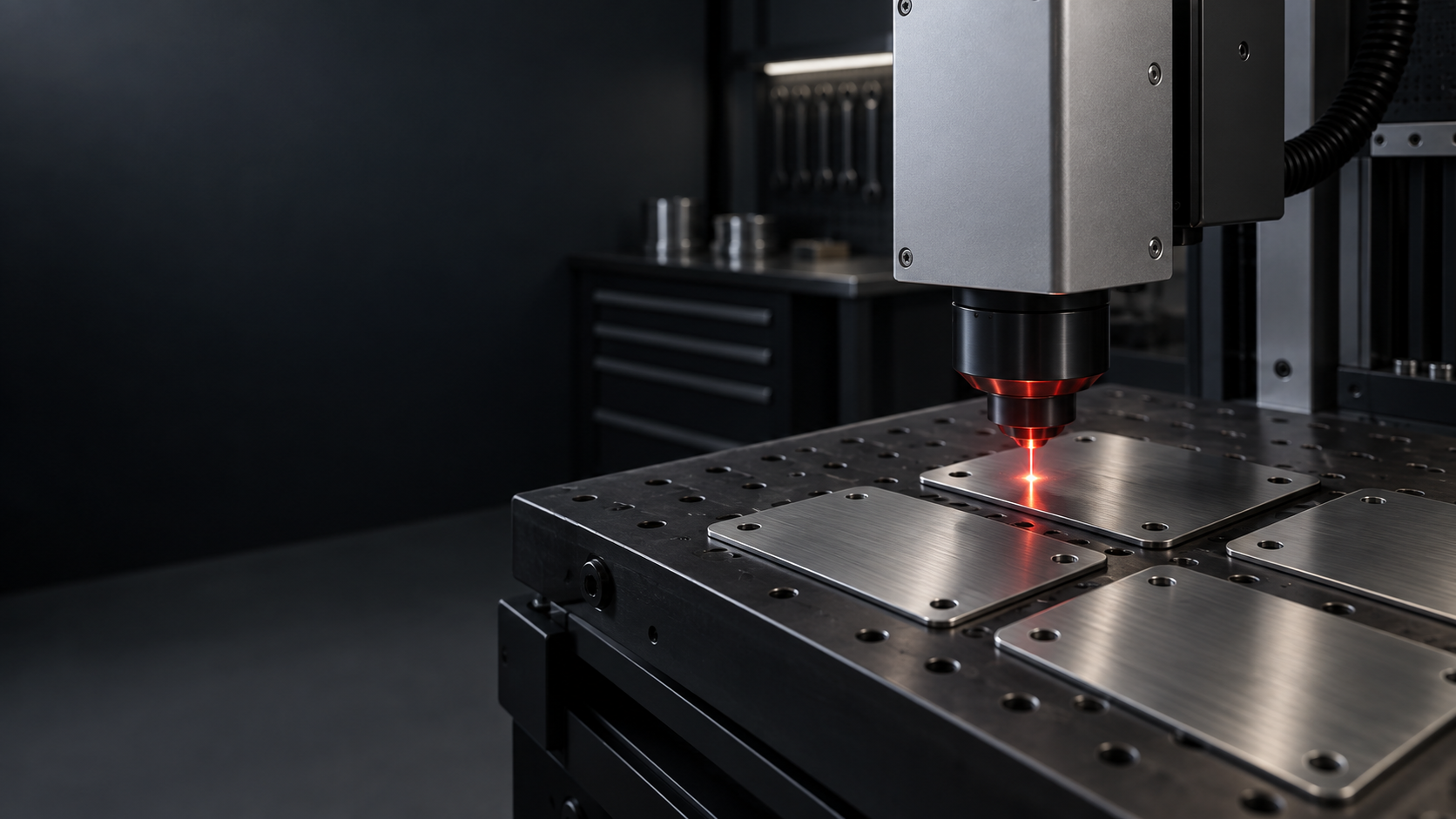
Mark layout and positioning
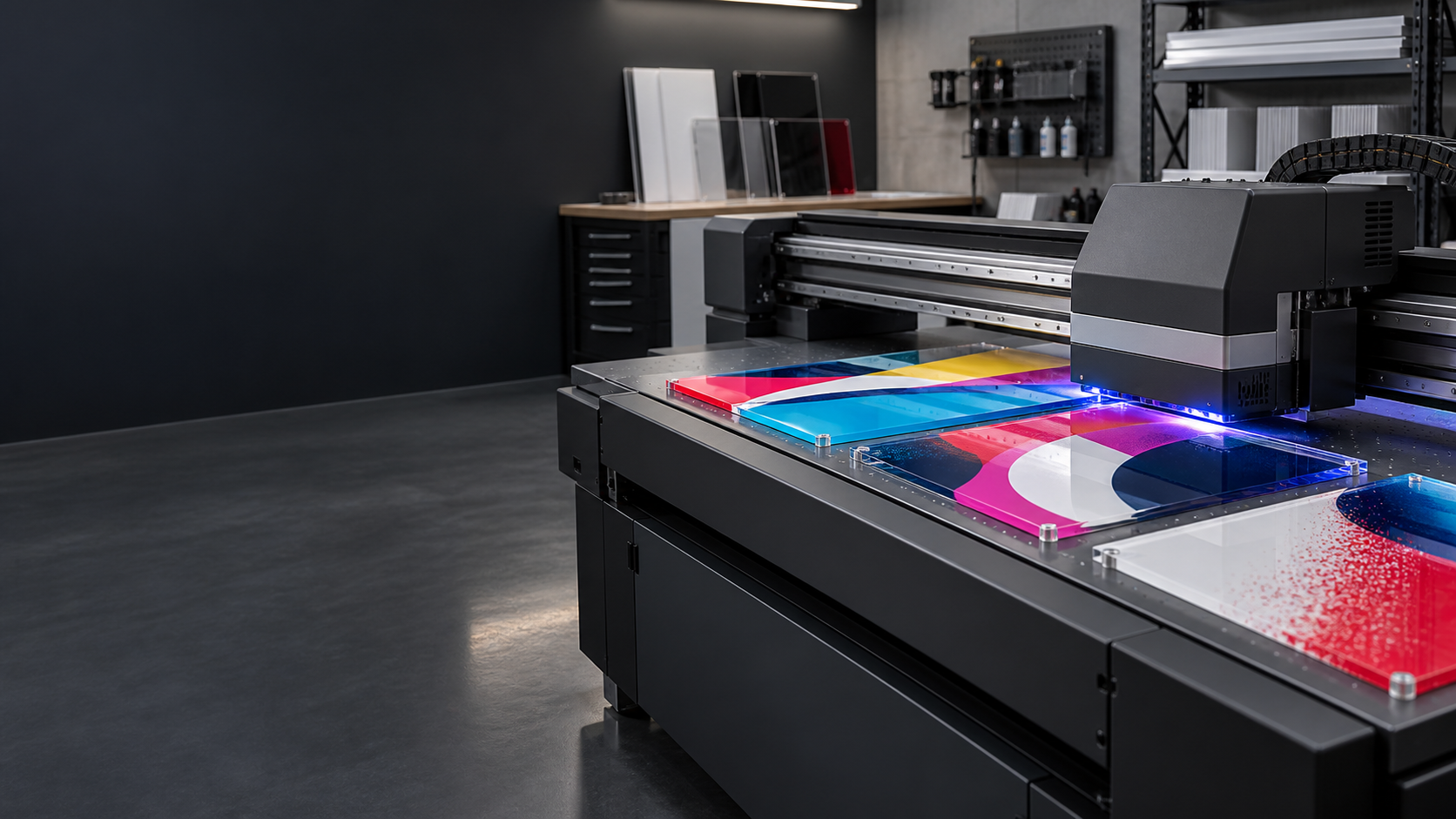
Colour and white layers
Choose the intended process for practical file-preparation guidance. If you are unsure, send the best original files and describe the finished requirement.
Send Your Files Request a Quote
Explanatory artwork illustration
Explanatory artwork illustration
Explanatory artwork illustration
Process-specific guidance
Prepare vector cut and score paths, raster engraving and non-metal geometry.
Open the artwork guidePrepare component positioning, marks, codes and serial or variable data.
Open the artwork guidePrepare sized print artwork, colour, white underbase and flat-item instructions.
Open the artwork guideUseful with every submission
Not sure which guide applies? Send the best original file and explain what the finished item must do.
Practical guidance
The current submission route accepts PDF, DXF, SVG, AI, EPS, CDR, JPG or JPEG, PNG, WebP, CSV and XLSX. The best format depends on whether the file contains technical geometry, vector artwork, imagery or structured production data.
Vector artwork is preferred for cut paths, technical geometry, logos, fine marking and scalable text. High-quality raster artwork can still be suitable for photographs, tonal engraving or UV printing. Send the best original file available.
Yes, as a visual reference, for suitable raster engraving or for print when the image has enough resolution. A JPEG or PNG does not provide a precise vector cut path, so cutting geometry should be supplied separately.
Convert fixed text to outlines or curves where practical. This preserves the intended letter shapes when the original font is unavailable. Text intended to change through variable data should remain identified as a controlled field.
Yes. GT Laser can identify obvious production issues during preflight. Substantial tracing, recreation or design development may require additional work, which is confirmed before it is undertaken.
Supply correctly sized artwork in its intended print position, embed linked images, outline fixed fonts and identify colour expectations, print side and any white underbase. A correctly prepared PDF is preferred.
GT Laser can review artwork alongside the material, dimensions, quantity and intended result.