
Materials
Materials
Material · Finish · Application
Anodised Aluminium
Best for lightweight metal identification, premium tags and applications requiring strong contrast with low weight.
Request a Quote Compare all materials
Generated illustrative image; not a GT Laser workshop photograph.
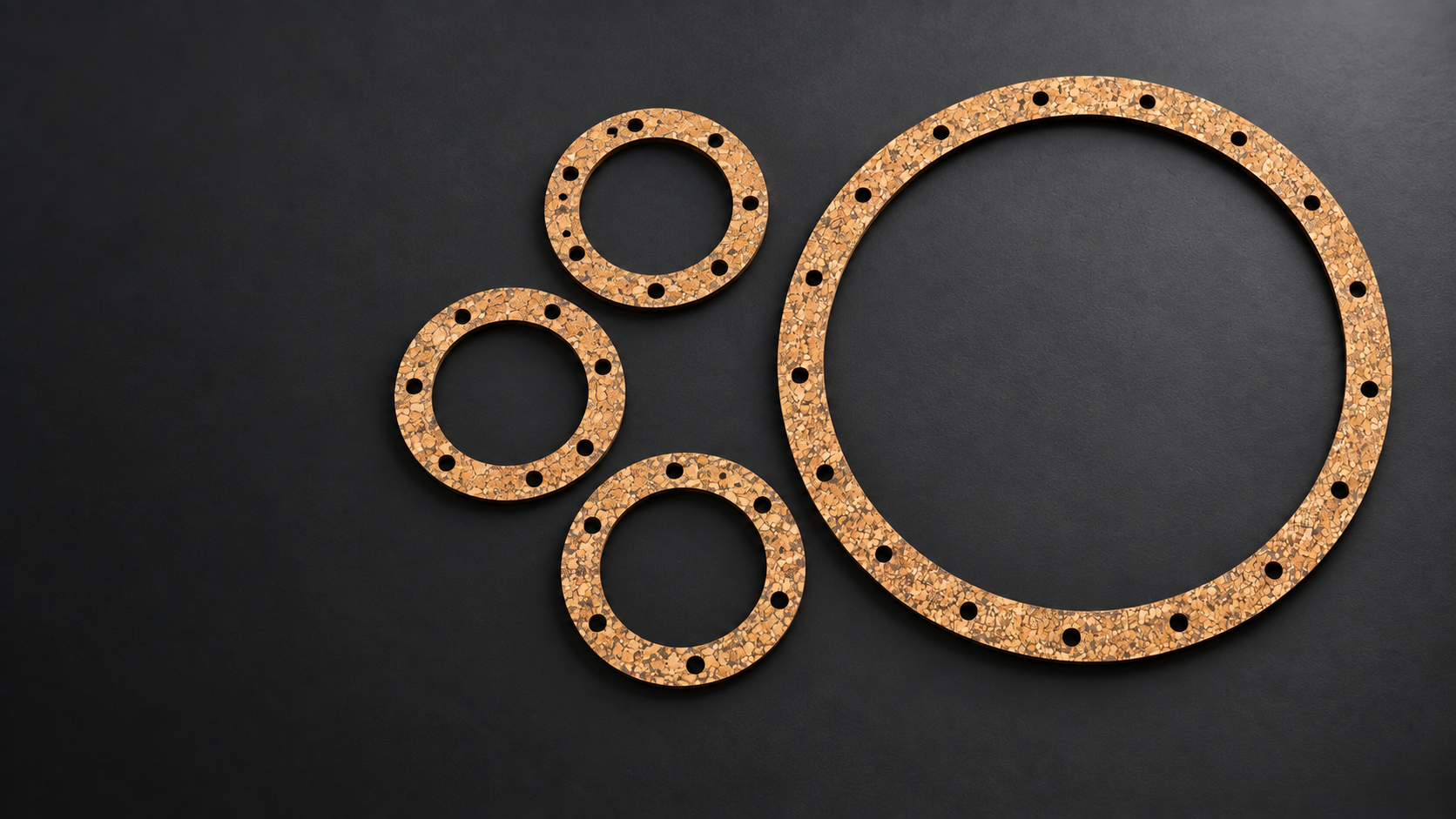
Edited composition based on GT Laser gasket photographs.
What is it?
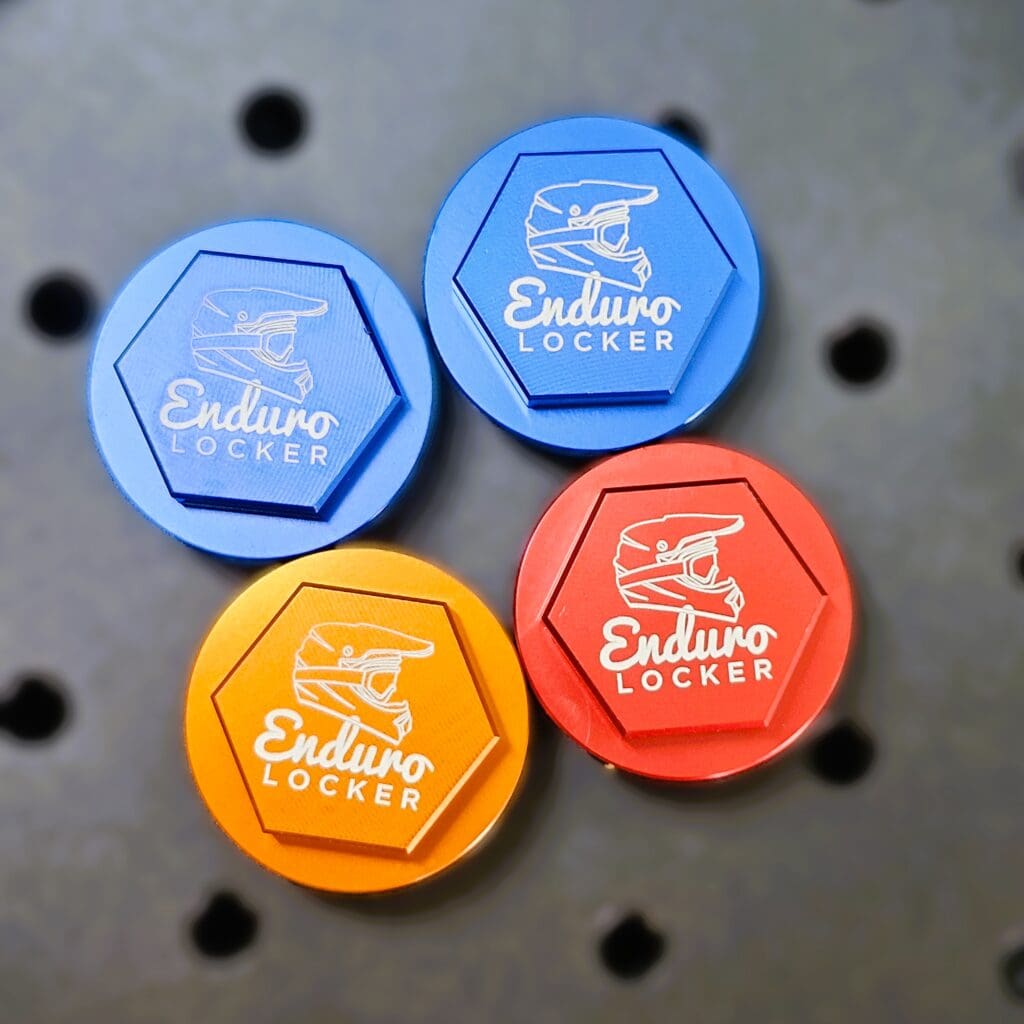
Anodised aluminium combines a lightweight aluminium base with a deliberately formed oxide surface layer. Colour and finish are part of that surface specification, making it useful for professional identification and branded components.
Appearance & characteristics
Lighter than a similarly sized steel component, with rigidity governed by thickness and geometry. Anodising offers a protective surface and a choice of appearances, but colour, gloss, coating thickness and wear resistance vary by product.
Why choose it?
- Low weight
- Professional metal appearance
- Corrosion-resistant surface
- Suitable for fine serial, QR and asset information
Typical applications
- Equipment labels and ID plates
- Serialised and QR tags
- Product branding and aluminium cards
- Small custom components
Manufacturing processes
CO₂ engraving can alter the colour of suitable anodised finishes to create contrast. Review the actual finish or a sample; fibre marking remains the principal GT Laser metal-marking route.
Fibre marking selectively changes the anodised surface or its colour to produce text, logos, serialisation and codes. The exact light/dark appearance depends on the finish and marking method.
Fine-detail layouts support asset tags, QR plates, aluminium cards and product labels. A sample is useful when contrast, small text or an exact premium appearance is critical.
UV printing adds colour on suitable flat surfaces after adhesion assessment. Surface preparation, coating and intended cleaning regime affect suitability.
Thicknesses & formats
State alloy or supplier specification if known, anodised colour and finish, thickness, dimensions and hole layout. Custom components and available formats are confirmed against the requirement, not a universal stock range.
Fixing options
- Specified holes
- Suitable adhesive backing
- Mechanical or no fixing
Confirm the mounting surface, hole positions, load and removal requirements before choosing the fixing.
Indoor & outdoor considerations
Outdoor potential depends on the anodised grade, colour, finish, exposure and fixing.
Tell us about moisture, sunlight, handling and cleaning. Suitability is assessed for the product and installation, without a universal lifetime claim.
Design considerations
- Approve the mark on the intended anodised finish, not a different colour or uncoated sample.
- Review wear, colour stability, edges and exposure for outdoor identification.
- Keep text and codes clear of holes and define the installed viewing direction.
- Do not assume every anodised sheet will produce identical contrast or colour.
Practical guidance
Anodised Aluminium: practical questions
Anodised aluminium provides a lightweight metal component with a professional surface finish and strong marking contrast on suitable grades. It is commonly considered for asset plates, serialised tags, QR plates and branded components.
304 is a common general-purpose stainless grade. 316 is often considered for wetter, harsher or more exposed environments because of its greater corrosion resistance. Final suitability depends on the actual exposure, finish, thickness and fixing.
Yes, where appropriate. Supply the approved source URL, ID or code content in a structured spreadsheet or CSV. The customer remains responsible for confirming supplied content and destinations unless a separate validation scope is agreed.
A test may be recommended for unfamiliar, coated, customer-supplied or high-value items, when exact appearance matters, or when UV-print adhesion is uncertain. A spare or sample piece may be required.
Yes, where the component and manufacturing route allow it. Provide hole diameter, quantity and positions from reliable edges or datums, together with the intended fixing method.
Discuss Your Requirement
Send the application, dimensions, quantity, material preference and any drawing, artwork or data. We will review the suitable production route.